Choosing the right Aluminum Front Door in 2026 requires more than comparing finishes, prices, and catalog photographs. Global buyers now examine thermal performance, corrosion resistance, security hardware, maintenance needs, and installation support. Climate matters greatly. A coastal villa faces salt air, while a city apartment may face pollution, noise, and heavy daily use.
Gary Katz, a veteran door-installation educator, states, “A door is only as good as its installation.” His point remains highly practical. Even a well-engineered aluminum frame can leak air or water when the sill, sealants, or surrounding wall are poorly fitted. Small details matter. Buyers should request tested performance data, clear warranty terms, and installation guidance suited to their local building conditions.
This guide reviews the leading Aluminum Front Door types for international projects, including thermally broken systems, pivot doors, sliding entrances, glass-panel designs, and minimalist framed models. It considers appearance, energy efficiency, security, weather resistance, and long-term value. A bronze anodized finish may look impressive under showroom lighting, yet color consistency can vary between production batches. That is an overlooked risk. Hardware availability may also differ by region, creating delays after installation.
The market is advancing, but no single door suits every property. Careful evaluation is still necessary. Readers should treat supplier claims as starting points, not final proof. This introduction aims to provide a practical framework for comparing products honestly, including the compromises that brochures often hide.
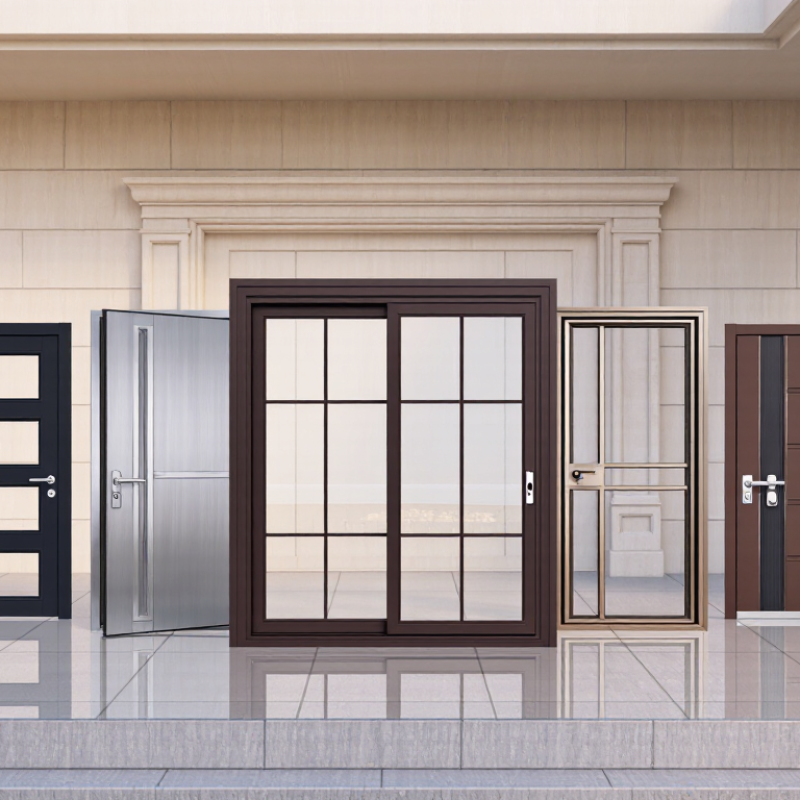
Aluminum front doors are entry systems built with aluminum frames, insulated panels, glass, seals, hinges, and locking hardware. Unlike solid timber doors, they use a lightweight metal structure that resists warping, swelling, and insect damage. Common types include hinged, pivot, sliding, and thermally broken doors. Each type suits a different entrance width, climate, and security requirement.
Global buyers often choose aluminum because it offers a practical balance between strength and design flexibility. Narrow frames can create wider glass areas and brighter entrance halls. Powder-coated surfaces also provide many colors with limited routine maintenance.
The International Aluminium Institute reports that about 75% of all aluminum ever produced remains in use today, supporting its long service-life and recycling value. That figure is encouraging, but it does not make every door sustainable automatically.
Thermal performance needs careful checking. A poorly designed aluminum frame can transfer outdoor heat indoors quickly. The U.S. Department of Energy notes that doors and windows strongly affect building heat gain and loss, especially through glass and air leakage.
Look for thermal breaks, insulated cores, multi-point seals, and tested U-values. Ask for results under recognized standards, not only attractive product photos.
Small details matter. A beautiful pivot door may still perform poorly if installation leaves gaps. Export buyers should also verify drainage, coastal corrosion resistance, local wind loads, and replacement hardware availability. Aluminum is reliable, but specifications must match the building, not merely the brochure.
Aluminum front doors now serve homes, offices, apartments, and public buildings.
The main types differ by insulation, opening method, security, and traffic frequency.
Thermally broken hinged doors suit residential entrances because polyamide barriers reduce heat transfer through the frame. Sliding doors create wider openings, but their tracks need careful drainage and cleaning. Pivot doors offer a strong architectural statement, although their size can increase hardware and installation demands.
Commercial buildings often use heavy-duty hinged, automatic, or fire-rated aluminum doors. Automatic models support busy entrances, while narrow-stile systems improve daylight and visibility.
Fire-rated assemblies require tested doors, frames, seals, and certified installation. They should not be specified from appearance alone.
The International Aluminium Institute reports that building and construction consumes about one-quarter of global aluminum demand, showing the material’s continuing importance in the built environment.
Performance depends on the complete entrance system. The U.S. Department of Energy notes that low-emissivity glazing, insulated frames, and proper air sealing can improve building-envelope efficiency.
A door with excellent glass can still perform poorly when the threshold leaks.
That detail is often underestimated. The International Energy Agency also identifies building-envelope upgrades as important tools for reducing operational energy use.
Global buyers should compare U-values, air leakage, water resistance, wind loads, corrosion protection, and local testing standards.
No single type wins everywhere. Coastal exposure, seasonal temperatures, access requirements, and installer skill can change the best choice.
Specs look precise, but site conditions remain messier.
Aluminum front doors range from flat, minimalist panels to framed designs with narrow glass inserts. Hinged doors remain a practical choice for many homes. Pivot doors create a broad, dramatic entrance, but their heavy leaves need carefully selected hardware. Details matter.
Opening systems affect daily use. Inward- or outward-swinging doors need clear space, while sliding systems suit constrained entry areas. A pivot can look impressive; it may also feel less convenient when carrying groceries. Specify thermal breaks, secure locking points, weather seals, and suitable glazing for the local climate. Ask suppliers for whole-door thermal and air-leakage performance, not just panel specifications.
Customization includes finishes, handle lengths, glass opacity, sidelights, and threshold height. These details shape both appearance and access. The International Energy Agency’s 2023 Buildings report states that buildings accounted for about 30% of global final energy consumption in 2022. That figure covers buildings broadly, not front doors alone, but it underlines why envelope performance deserves attention. Compare documented ratings using the standards applicable to the destination market. A sleek finish is easy to choose; matching its performance to the opening takes more thought.
| Door Type | Typical Design | Opening System | Common Configuration | Customization Options | Buyer Considerations |
|---|---|---|---|---|---|
| Single-leaf hinged door | One framed door leaf, available with solid, glazed, or partly glazed panels. | Side-hinged; inward- or outward-opening, subject to local requirements and site conditions. | One active leaf in a framed opening; optional fixed sidelight or transom. | Frame and panel colors, glazing, handle style, threshold, hinge finish, and decorative inserts. | A versatile option for many residential entrances. Confirm handing, swing clearance, threshold details, and local egress requirements. |
| Double-leaf hinged door | Two coordinated leaves that create a wider entrance when both are open. | Side-hinged; one active leaf and one secondary leaf, or both leaves designed for regular use. | Paired leaves within one frame; optional fixed glazing alongside or above. | Leaf proportions, active-leaf position, meeting-stile details, glazing, hardware, and finish. | Check the clear opening with the intended leaves open, and verify that the entrance has enough space for the door swing. |
| Pivot door | Large-format leaf with a pivot point set away from the side edge. | Pivot hardware, typically installed at the floor and head of the opening. | Single oversized leaf, sometimes paired with fixed side panels. | Pivot position, leaf dimensions, surface finish, glazing, pull handle, and concealed or visible hardware. | Requires suitable structural support and carefully coordinated hardware. Check operating clearances, weather sealing, and accessibility needs. |
| Sliding entrance door | One or more panels move horizontally along tracks. | Sliding; panels may move past fixed panels or stack, depending on the system. | One sliding panel with one fixed panel, or a multi-panel arrangement. | Track configuration, panel count, glazing type, frame finish, handle, and screen compatibility. | Does not require the same swing area as a hinged door. Confirm track drainage, clear opening width, and the space needed for panels to slide. |
| Aluminum door with glazed sidelights | Hinged or pivot door combined with one or more fixed glazed panels at the sides. | Usually hinged or pivoting, with non-opening sidelights. | Single active door leaf with one or two fixed sidelights. | Sidelight width, clear or decorative glazing, privacy level, frame color, and door-to-glass layout. | Brings more daylight into an entrance. Glass specification, safety-glazing rules, and privacy should be considered for the location. |
| Aluminum door with transom | Door with a fixed glazed or opaque panel above the leaf. | Typically hinged or pivoting, with a fixed transom panel. | Single or double door with a horizontal panel above. | Transom height, glazing, panel division, finish, and coordination with sidelights. | Can suit taller openings and add daylight. Confirm the overall frame height and any structural or glazing requirements. |
| Thermally broken aluminum entrance door | Hinged, pivot, or sliding design using a frame and sash with a thermal break. | Depends on the selected door system. | Available in single- or double-leaf and glazed configurations. | Glazing build-up, seals, threshold, frame finish, hardware, and panel design. | Thermal performance depends on the complete door assembly, including frame, glazing, seals, dimensions, and installation. Compare tested whole-door values for the project’s climate. |
| Panel-style aluminum door | Door leaf with a solid or decorative panel appearance; may include narrow or patterned glazing. | Usually side-hinged; other systems depend on the product design. | Single or double leaf, with optional sidelights or transom. | Panel layout, surface texture, color, glazing cut-outs, hardware, and decorative details. | Ask how the panel is constructed and finished, and confirm its weight, weather resistance, and compatibility with the chosen frame and hardware. |
Selection note: Door dimensions, opening direction, safety-glazing requirements, accessibility, wind-load resistance, water management, and energy-performance targets vary by project and jurisdiction. Confirm applicable local codes and request system-specific test data before specifying a door.
Aluminum Front Door Performance: Security, Energy Efficiency, and Durability
A front door must do more than look substantial. Its security depends on the complete assembly: frame, lock, hinges, glazing, and installation. For added resistance, buyers can specify a reinforced strike area, protected hinge pins, and a multipoint lock. If the door includes glass, laminated glazing can make forced entry more difficult. A strong slab alone is not enough.
Energy performance is often decided at the edges. Ask for tested whole-door U-factor and air-leakage data, not just claims about the aluminum profile. Thermal breaks separate the inner and outer metal surfaces, reducing heat transfer through the frame. Tight weather seals matter too; a visible gap at the threshold can undermine a high-performing door. ENERGY STAR reports that certified windows, doors, and skylights can lower household energy bills by an average of 12% compared with non-certified products. Actual savings depend on climate, installation, and the door being replaced.
Built for daily use. Aluminum resists rust and needs little routine maintenance, but finishes can still scratch, and poorly drained frames may retain water. Check drainage paths, coating specifications, hardware ratings, and warranty terms before ordering. One detail buyers sometimes overlook is adjustment: hinges may need attention after years of heavy use. Specifications help, but installation quality remains the part nobody should assume.
Choosing an aluminum front door starts with the building, not a catalog photo. Measure the rough opening, wall depth, and finished floor level before requesting quotes. Compare single or double hinged doors, pivot systems, and sliding entry designs. Each suits a different entrance. A narrow porch may favor one hinged leaf; a wide, sheltered entry can accommodate a pivot or pair. Big doors look impressive.
Ask about frame depth, thermal breaks, glazing options, and threshold details. These affect insulation, comfort, and water management. In cold or hot climates, request documented thermal performance for the complete door assembly, not just the glass. For exposed locations, check drainage design, finish durability, and available air and water test reports. The specification should match the project’s conditions. A pretty finish is not enough.
When sourcing, send suppliers dimensioned drawings, opening direction, hardware requirements, and finish preferences. Request a physical color sample; screen images can mislead. Confirm production tolerances, packing method, delivery schedule, and who handles installation questions. Ask for written warranty terms and product documentation before placing an order. One detail buyers sometimes overlook: local installers may have different expectations for anchors and thresholds. Confirm these early. It can prevent costly adjustments, though it may add a little time to procurement.
It typically includes an aluminum frame, insulated panels or glass, seals, hinges, and locking hardware. The exact assembly varies.
Aluminum resists warping, swelling, and insect damage. Narrow frames can also allow larger glass areas and brighter entryways.
Pivot or sliding designs may work well for wider openings. Measure the space and consider how much room the door needs to operate.
Look for thermal breaks, insulated cores, tight weather seals, and tested whole-door U-factor and air-leakage results. Details at the threshold matter.
Review the frame, lock, hinges, glazing, and installation as one system. Reinforced strike areas, protected hinge pins, and multipoint locks can add resistance.
No. It needs little routine care, but coatings can scratch and drainage channels can retain water. Hinges may also need adjustment over time.
Check corrosion-resistant finishes, drainage design, local wind requirements, and hardware availability. The right specifications depend on the building’s exposure.
No. Recycling value is helpful, but performance, service life, manufacturing, and installation also matter. The figures alone do not tell the whole story.
This guide explores why the Aluminum Front Door is a practical choice for residential and commercial buildings, combining a clean, adaptable appearance with strength and comparatively low maintenance. It introduces common door types, from hinged and pivot designs to sliding and multi-panel systems, and explains how frame styles, glazing, finishes, colors, hardware, and dimensions can be tailored to suit different entrances and project requirements.
Buyers will also learn how to assess key performance factors, including locking options and structural security, insulation and weather sealing, corrosion resistance, and long-term durability. The final section outlines a thoughtful sourcing process: define the intended use and specifications, compare materials and configurations, check product documentation and quality controls, and confirm customization, packaging, delivery, and after-sales support. These considerations help global buyers select an aluminum entrance door that balances appearance, performance, and project needs.