Choosing the right Aluminum Entry Door begins with more than appearance. Your entrance must handle weather, daily traffic, security needs, and changing design preferences. A door that looks impressive in a showroom may feel unsuitable after months of rain, dust, or repeated use.
In practice, examine the frame, thermal break, hinges, locking system, glass, and surface finish together. High-quality aluminum should feel rigid without becoming unnecessarily heavy. A well-designed thermal barrier can reduce heat transfer around the doorway. Certified hardware and clearly documented performance tests also provide useful evidence of reliability. Do not rely on attractive product photos alone. They hide small details.
Measure the opening carefully, including wall thickness, threshold height, swing clearance, and drainage conditions. Think about how the door will feel at 7 a.m., when hands are full and the floor is wet. Ask suppliers about coating durability, maintenance requirements, replacement parts, installation methods, and warranty coverage. Local climate matters, too. Coastal air, strong sunlight, and freezing temperatures can expose weak materials quickly.
The best Aluminum Entry Door balances strength, insulation, security, maintenance, and visual character. Still, no choice is perfect. A thicker door may improve durability but increase cost and installation difficulty. A darker finish may look elegant but show dust more clearly. Careful comparison, professional measurements, and verified specifications can prevent expensive disappointment. This guide explores the details that deserve attention before you commit.
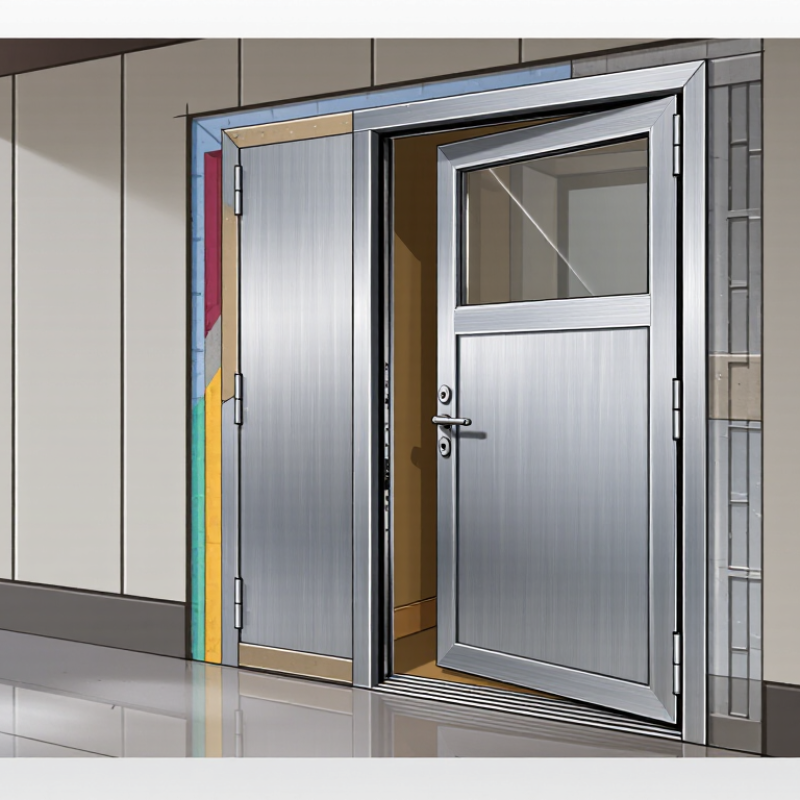
How to Choose the Right Aluminum Entry Door?
Start with the doorway, not the finish. Measure the rough opening, wall depth, swing direction, and threshold height. A beautiful door will still fail if installation leaves uneven gaps. According to the U.S. Department of Energy’s Building America Solution Center, air leakage can represent 25–40% of a home’s heating and cooling energy use. Therefore, an accurate frame and continuous weatherstripping deserve serious attention.
Set priorities before comparing designs. For a hot, sunny entrance, review the door’s U-factor and solar heat gain coefficient. Lower U-factor usually means better insulation. Lower solar heat gain can reduce unwanted heat indoors. The National Fenestration Rating Council explains that certified ratings help compare products under consistent conditions. Ask for the complete unit rating, not only the aluminum panel specification.
Security matters too.
Choose a multipoint lock only if the frame supports it properly. Check hinge quality, cylinder protection, impact resistance, and local installation practice. Thermal-break aluminum can reduce conductive heat transfer, but it does not correct poor sealing. I once focused too heavily on appearance and underestimated threshold drainage; that was an avoidable mistake. Maintenance also deserves a place on the list. Confirm the coating warranty, drainage path, hardware availability, and cleaning requirements. No checklist is perfect. Your climate, exposure, and daily use should decide which compromises are acceptable.
Choosing an aluminum entry door starts with its type, not its finish. Hinged doors suit traditional openings and seal reliably with compression weatherstripping. Pivot doors create a dramatic entrance, but their hardware needs accurate installation. Sliding systems save clearance space. They may provide weaker air seals if tracks collect dirt. At job sites, small alignment errors often cause noticeable drafts.
Design should support the building’s climate and daily use. Narrow stiles increase glass area and daylight. However, more glass can reduce privacy and affect heat gain. The U.S. Department of Energy reports that windows can cause 25–30% of residential heating and cooling energy use. A glazed entry door deserves similar attention. Check its tested U-factor, solar heat gain coefficient, air leakage, and visible transmittance through NFRC documentation. Do not judge performance from appearance alone.
Core material changes the door’s comfort and weight. Polyurethane cores generally offer strong insulation in a slim panel. Mineral-wool cores can improve acoustic and fire-related performance, depending on the tested assembly. Honeycomb cores reduce weight, but they may provide less thermal resistance. A thermal break is essential because aluminum conducts heat quickly. I would not accept vague claims such as “energy saving.” Ask for test reports and installation details. Even the best core performs poorly when the sill lacks drainage or the frame is poorly shimmed. Small details matter.
When comparing aluminum entry doors, look beyond the frame’s appearance. Ask for the whole door’s thermal rating, not just the insulation value of its core. A thermally broken frame separates the inner and outer aluminum sections, reducing heat transfer. Check the glass, too: a low-emissivity, double-pane unit can help limit drafts and cold spots near the handle. On a chilly day, stand inside and feel around the frame edges. Small gaps matter.
Security depends on more than a heavy-looking panel. Check the lock’s engagement, hinge construction, and how firmly the frame anchors to the wall. A multipoint lock can secure the door at several points, but it needs accurate installation and adjustment. Ask how the system is tested, and review the documentation rather than relying on vague claims. Hardware should feel solid, not loose.
Weather resistance starts with the details you may barely notice. Look for continuous compression seals, a well-designed threshold, and drainage paths that direct water outward. In exposed locations, ask how the finish performs under sun, rain, and salt-laden air. Inspect the sill after a wind-driven rain; standing water may reveal a weak detail. Ratings help, but they do not guarantee a perfect fit in every opening. Installation quality can make an excellent door perform poorly, and that is easy to underestimate.
Compare thermal performance, security, and weather resistance using a practical 0–100 performance index. Higher scores indicate better performance. Thermal scoring is based on lower U-factor values, weather scoring combines air leakage and water-resistance pressure, and security scoring reflects the number of effective locking points.
The values are representative specifications commonly used for residential aluminum door evaluation: U-factor in W/m²·K, air leakage in L/s·m² at 75 Pa, water resistance in Pa, and effective locking points. Always verify final performance through project-specific test certificates.
A successful aluminum entry door begins with accurate measurements. Record the width, height, and depth of the rough opening at three points. Check the wall thickness, threshold level, hinge side, and door swing. A few millimeters can create uneven gaps, difficult locking, or water entry. The U.S. Department of Energy estimates that air leakage may account for about 30% of a home’s heating and cooling energy use. Therefore, inspect the frame, seals, and sill before ordering.
Installation conditions matter as much as door size. Confirm that the surrounding wall is sound, dry, and properly flashed. Uneven masonry may require shims or limited structural correction. An aluminum frame with a thermal break can reduce heat transfer, but it cannot fix poor sealing. NFRC rating guidance also shows why U-factor and air-leakage performance deserve attention, especially in cold or windy regions. This part is often overlooked.
Tips: Measure the opening twice. Check local wind and moisture exposure. Confirm the frame depth matches the wall. Ask for tested performance data, not vague claims. Do not assume a replacement door fits the existing opening. Even experienced installers occasionally miss threshold height or drainage direction. That mistake is expensive. Review the manufacturer’s installation instructions, then compare them with the building’s structure and ventilation conditions.
How to Choose the Right Aluminum Entry Door?
Choosing the right aluminum entry door means looking beyond its clean lines. Maintenance, warranty coverage, and lifetime cost often determine whether the purchase feels wise. In my experience, powder-coated aluminum needs less upkeep than painted steel, but it is not maintenance-free. Small details matter. Check the drainage openings, hinges, seals, and threshold during every seasonal inspection. Use mild soap and water, especially after exposure to road salt or coastal air. Avoid abrasive pads, which can dull the protective finish. Ask whether replacement hardware will remain available several years later.
Read the warranty before signing the order. Some policies cover frame defects, while others cover finishes, glass, or hardware separately. Look for exclusions involving poor installation, water intrusion, fading, and unauthorized repairs. Confirm who handles labor and transportation costs. Get it in writing. Installation may have its own limited coverage, and a strong product warranty cannot correct an uneven opening. I once focused too much on material quality and ignored the installer’s workmanship terms. That mistake changed my buying checklist.
Calculate the total cost, not just the door price. Include delivery, professional installation, trim, locksets, weather sealing, and future adjustments. A cheaper door may require earlier seal replacement or more frequent finish care. Energy performance also affects long-term expenses, especially in rooms near the entrance. Request a written estimate with each allowance clearly listed. Keep maintenance records and warranty documents together. This makes future claims easier, although I still think many buyers underestimate small service charges. The best choice balances dependable construction, realistic upkeep, and coverage you can actually use.
| Decision Area | What to Review | Practical Guidance | Cost or Warranty Impact | Good Sign Before You Buy |
|---|---|---|---|---|
| Frame and thermal performance | Ask whether the frame and door have a thermal break, and request the complete door assembly’s energy-performance information where available. | A thermal break separates interior and exterior aluminum surfaces to reduce heat transfer. Compare the full assembly, including glass, frame, and weather seals—not just the door panel. | A higher-specification assembly may cost more initially, but can improve comfort and reduce heat transfer. Actual energy savings depend on climate, installation, and household use. | The quote identifies the door configuration and provides performance documentation for the specified assembly. |
| Finish and routine cleaning | Confirm the finish type, cleaning instructions, and whether the warranty covers peeling, blistering, or fading. | Clean with water and mild soap using a soft cloth or sponge. Avoid abrasive pads and harsh cleaners. Follow the finish maker’s care instructions. | Routine cleaning is usually a modest upkeep task; neglected or damaged finishes can require touch-up or refinishing. Coverage and exclusions vary by written warranty. | Care instructions are provided in writing, and the warranty clearly defines finish defects and exclusions. |
| Exposure to coastal or harsh conditions | Consider salt spray, industrial pollution, heavy rain, and direct sun at the entrance. | Aluminum does not rust like iron or steel, but its surface and coating can still be affected by corrosive conditions or damage. Ask about finish suitability for the installation environment and cleaning frequency. | More exposed locations may require more frequent cleaning and closer finish inspections, which can add to long-term maintenance. | The seller confirms in writing that the chosen finish is suitable for the site conditions. |
| Weather seals and threshold | Check the weatherstripping, sweep, threshold, drainage details, and availability of replacement parts. | Inspect seals periodically for gaps, compression, or damage. A properly adjusted door and intact seals help limit drafts and water entry; follow the installation and maintenance instructions. | Worn seals may need replacement during the door’s service life. Clarify whether parts and labor are covered and whether replacement seals remain available. | The quote includes the threshold and sealing components, and the supplier explains how to replace them. |
| Hinges, locks, and other hardware | Review hardware material, operation, adjustment needs, finish, and warranty coverage. | Open and close the door several times before purchase. Check that the latch aligns smoothly and that the door does not bind. Maintain hardware according to its instructions. | Hardware may have a separate warranty from the door or finish. Confirm whether service calls, adjustment, replacement parts, and labor are included. | The warranty lists hardware coverage separately and gives a clear process for obtaining service or parts. |
| Warranty coverage | Read the written terms for the door, finish, glass, hardware, installation, and labor. | Compare coverage periods and exclusions rather than relying on a single headline warranty length. Check registration requirements, maintenance conditions, transferability, and who handles claims. | A limited product warranty may not cover installation defects, labor, accidental damage, or environmental exposure. Potential repair costs depend on the specific terms. | You receive the full written warranty before ordering, with separate coverage details for major components. |
| Installed price | Request an itemized quote for the door, glass, hardware, delivery, removal, installation, finishing, and disposal. | Compare quotes for the same size, configuration, glass, finish, threshold, and installation scope. Ask whether trim work, reframing, or repairs are excluded. | The lowest product price may not be the lowest installed cost if important work or components are omitted. | Each quote specifies inclusions, exclusions, taxes, payment schedule, and any site-work allowances. |
| Total cost over time | Estimate purchase and installation costs plus cleaning, seal or hardware replacement, repairs, and any energy-related savings. | Use the same ownership period for each option: total cost = installed price + expected maintenance and repair costs − estimated savings. Treat savings as estimates, not guarantees. | A more complete comparison can reveal whether a higher initial price is offset by lower upkeep or better performance in your specific home. | Your comparison uses itemized quotes, written warranty terms, and realistic maintenance assumptions for your location. |
Note: Warranty terms, maintenance schedules, and prices vary by product, installer, location, and site conditions. Use the written product documents and itemized local quotes for your final comparison.
Measure the rough opening, wall depth, swing direction, and threshold height. Small gaps can create drafts and water problems.
A lower U-factor usually improves insulation. A lower solar heat gain value can reduce unwanted indoor heat.
Request complete-unit ratings. The frame, glass, sill, and seals all affect real performance.
Hinged doors suit traditional openings and often seal well with compression weatherstripping. Accurate fitting still matters.
Pivot doors need precise hardware installation. Even slight alignment errors may affect movement, sealing, and drainage.
Sliding systems save floor space. However, dirty tracks may weaken air sealing and cause noticeable drafts.
Polyurethane cores usually provide strong insulation. Honeycomb cores reduce weight but may offer less thermal resistance.
No. A thermal break reduces heat transfer through aluminum. Poor sealing, drainage, or shimming can still cause problems.
Check hinge quality, lock support, cylinder protection, impact resistance, coating coverage, drainage, and hardware availability.
More glass adds daylight but can reduce privacy and increase heat gain. I might choose less glass for a hot, exposed entrance.
Choosing the right Aluminum Entry Door begins with identifying your priorities, such as appearance, energy efficiency, security, durability, and budget. Consider different door types, styles, finishes, glass options, and core materials to find a design that suits your home and daily needs. Pay close attention to insulation performance, weather sealing, resistance to moisture and corrosion, and the strength of the locking system, especially if the door will face harsh weather or frequent use.
Before purchasing, confirm the required dimensions, wall structure, opening direction, threshold height, and installation conditions to ensure compatibility with the building. It is also important to understand cleaning requirements, hardware upkeep, warranty coverage, expected service life, and potential installation costs. By comparing both short-term pricing and long-term performance, homeowners can select an Aluminum Entry Door that offers lasting comfort, reliable protection, attractive design, and practical value.