Featured Coastal Heavy-Duty & Security Aluminum Entry Doors
Engineered for extreme oceanfront exposure, structural wind loads up to DP100, high-salinity air resistance, and modern luxury aesthetic requirements.
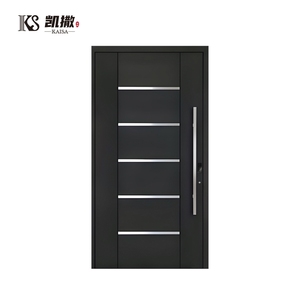
Factory Custom Aluminum Exterior Armored Security Doors Anti Theft Front Entry Door For Home Entry Door
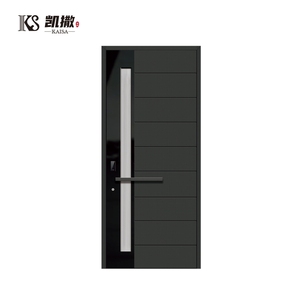
Safety Home Exterior Door Modern Soundproof Front Entry Doors Modern Security Casement Door
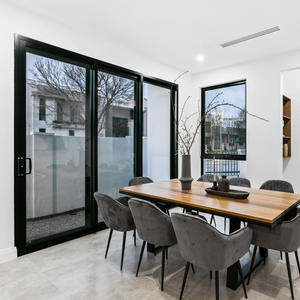
Sliding Glass Door Entrance Front Houses Entry Interior Trackless Waterproof Garage Aluminum Alloy Stainless
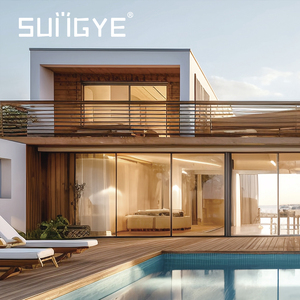
SUNGYE Smart Sliding Door Hurricane Proof Double Insulated Glass Panoramic View Accessible Track Entrance Door for Luxury Villas
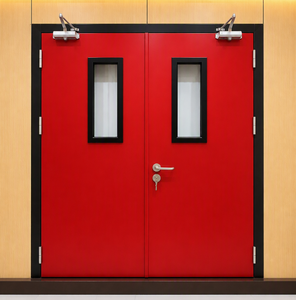
Factory Direct Sale Steel Fire Exit Door Emergency Panic Bar Fire Rated Security Door Commercial Metal Fireproof Door
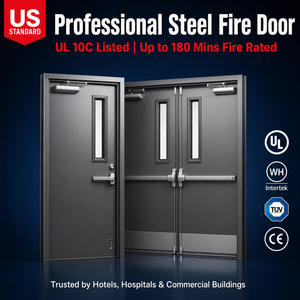
CHANGYI Certified Hotel Commercial Steel Fire Doors Double Exterior Metal Fire Rating Modern Security Wholesale Cost Price
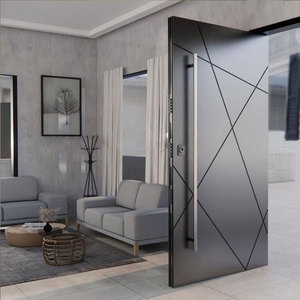
Modern Villa Front Entry Flat Door Steel Pivot Door Security Aluminum Door
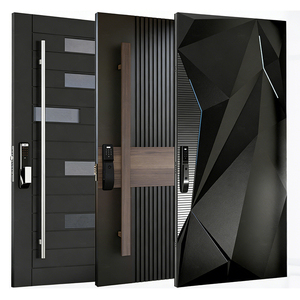
ZEKIN Modern Style Main Entrance Door Aluminum Entry Front Doors Against Theft Bulletproof Security Door
Engineering Leadership in Coastal Aluminum Entry Door Manufacturing
Based in Foshan, China—the global epicenter of architectural aluminum extrusion—Vancoor Entrance System Co., Ltd. has established the industry standard for high-performance fenestration systems since 1993.
Coastal Anti-Corrosion Metallurgy
Coastal environments subject exterior doors to airborne sodium chloride aerosols and intense humidity. We utilize marine-grade 6063-T6 aluminum alloys treated with 70% PVDF Fluorocarbon coatings (AAMA 2605 compliant) and specialized anodizing processes. Tested under ASTM B117 salt-spray exposure for over 3,000 continuous hours, our door systems eliminate filiform corrosion, surface chalking, and oxidation pitting.
Structural Wind-Load & Impact Resilience
Engineered for hurricane-prone coastal zones (Florida TAS 201/202/203 & ASTM E1886/E1996 standards), our heavy-duty entry systems incorporate multi-chambered internal ribbing, heavy wall thicknesses (up to 3.0mm), and SGP (SentryGlas® Plus) laminated impact safety glass. Capable of enduring structural pressure loads exceeding 6,000 Pa (DP100 rating), they resist severe windborne debris impact without boundary seal failure.
Advanced Thermal Break & Acoustic Barrier
To bridge extreme temperature differentials between harsh exterior maritime sunlight and air-conditioned interiors, our entry systems integrate high-precision PA66GF25 (25% fiberglass reinforced polyamide) thermal break struts. Combined with multi-channel EPDM weatherstripping and argon-filled double/triple insulated glazing, our doors achieve sound reduction up to 45 dB and U-factors down to 0.18 BTU/h·ft²·°F.
Technical Benchmark Matrix: Coastal vs. Standard Entry Door Engineering
| Performance Parameter | Standard Commercial Aluminum Door | Vancoor Coastal High-Impact Entry System | Compliance / Testing Standard |
|---|---|---|---|
| Profile Material & Alloy | Standard 6063-T5 (1.4mm - 1.8mm) | Marine-Grade Heavy-Duty 6063-T6 (2.0mm - 3.0mm) | ASTM B221 / GB 5237 |
| Surface Finish & Protection | Standard Powder Coating (500h Salt Spray) | 70% PVDF Fluorocarbon / AkzoNobel Interpon (3000h+) | AAMA 2605 / ASTM B117 |
| Wind Pressure Resistance | Design Pressure 30 - 45 PSF (DP30 - DP45) | Heavy Pressure Rating 60 - 100 PSF (DP60 - DP100) | ASTM E330 / TAS 202 |
| Glazing Specification | Standard Tempered Double Glass (5mm+12A+5mm) | Laminated Hurricane Impact Glass (6mm + 1.52SGP + 6mm) | ASTM E1996 / TAS 201/203 |
| Weather Sealing System | Single PVC Rubber Gasket | Continuous Triple EPDM Co-Extruded Vulcanized Seals | ASTM E283 (Air) / ASTM E331 (Water) |
| Hardware & Fasteners | Standard Zinc Alloy / Stainless 201 | 316 Surgical Stainless Steel & German Multi-Point Locks | EN 12320 Grade 5 Corrosion |
Future Trends in Coastal Aluminum Entry Door Design & Technology
As global architectural designs favor larger openings, seamless outdoor transitions, and extreme resilience against rising sea levels and violent storm events, the engineering of coastal entry systems is undergoing rapid technological shifts.
1. Micro-Slim Sightlines with Concealed Heavy-Duty Pivots
Modern coastal luxury architectural trends demand expansive visual glass areas without sacrificing structural integrity. The industry is moving away from traditional thick perimeter frames toward ultra-slim structural aluminum profiles coupled with concealed hydraulic floor pivots. These custom pivot doors accommodate single-leaf weights exceeding 500 kg while maintaining effort-free fingertip operation and seamless perimeter weather-tightness.
2. Smart Access System & Motorized Multi-Point Integration
Entry doors are rapidly evolving into intelligent home access nodes. High-end procurement contracts now mandate the integration of biometric 3D facial recognition, invisible capacitive fingerprint sensors, encrypted RFID, and motor-driven electro-mechanical multi-point lock mortises (such as Siegenia or GU systems). These smart mechanisms sync natively with home automation protocols (CAN-bus, Z-Wave, KNX) without compromising mechanical anti-burglary ratings.
3. Low-Carbon Hydro-Extruded Aluminum & Thermal Physics
With worldwide green building initiatives (LEED, BREEAM, Passive House standards), top-tier Chinese exporters are transitioning to low-carbon primary aluminum billets extruded using hydroelectric power. Coupled with multi-cavity thermal break extrusions packed with aerogel or expanded polyurethane insulation, modern entry doors prevent energy loss in scorching coastal summers and cold winter blasts alike.
4. Advanced PVDF Nano-Ceramic Coatings
Coastal UV radiation breaks down low-grade powder coatings within 24 to 36 months, leading to chalking and severe color fading. The future of coastal fenestration relies on nano-ceramic infused 70% PVDF fluorocarbon finishes. These chemical coatings withstand high radiation levels, sand abrasion during storm surges, and salt crystallization while offering self-cleaning hydrophobic surface properties.
B2B Sourcing Strategies for International Importers & Developers
Procuring custom aluminum entry doors directly from China requires moving beyond simple FOB price comparisons toward evaluating engineering verification, lead-time control, structural shop drawings, and export packaging safety.
Moving from Unit FOB Cost to Total Cost of Ownership (TCO)
Initial purchase price represents only a fraction of the total project expenditure. Procuring under-engineered doors that fail local coastal building inspections, leak during heavy sea-storms, or suffer glass breakage during ocean transit leads to catastrophic project delays. Leading international developers follow a rigorous pre-vetting procurement workflow:
- Phase 1: Shop Drawing & Engineering Verification: Prior to order confirmation, demand fully detailed 2D CAD cross-sections and 3D BIM models showing thermal break placement, wall thickness, seal compression points, and wall anchor bracket positioning.
- Phase 2: Raw Material Certification Check: Verify that aluminum extrusions conform to 6063-T6 metallurgical temper certificates, glass units carry SGCC / IGCC / CE certification stamps, and hardware components are rated Grade 304 or 316 stainless steel.
- Phase 3: Pre-Shipment Dry-Fit Assembly (FAT): Ensure the manufacturer performs 100% dry-fit pre-assembly of oversized entry doors and frames in the factory to test lock alignment, hinge smooth-sweep movement, and air-seal compression before packing.
- Phase 4: Export Packaging Specification: Door units must be protected by protective surface film, wrapped in multi-layer pearl foam, fitted with reinforced corner guards, and enclosed in fully sealed IPPC ISPM-15 compliant plywood crates with moisture-absorbing desiccant bags.
B2B Supplier Evaluation & Procurement Risk Matrix
| Procurement Risk Factor | High Risk (Low-Cost Trading Vendors) | Low Risk (Vancoor Certified Direct Factory) | Mitigation Action |
|---|---|---|---|
| Galvanic & Salt Corrosion | Mixed non-certified hardware; cheap 201 steel screws; thin anodizing layer. | Solid 316 Stainless fasteners; isolation shims; AAMA 2605 PVDF surface finish. | Specify 3000-hour ASTM B117 salt spray test reports. |
| Air & Water Infiltration | Single glued rubber strip; manual frame corner clamping; hollow frames. | Corner pin-injection glue sealing; continuous vulcanized EPDM triple gaskets. | Require ASTM E283 air & ASTM E331 water penetration test data. |
| Transit & Glass Damage | Standard cardboard wrapping; unsealed wooden pallets; loose container loading. | Custom solid fumigated plywood crates; rubber corner protection; vacuum moisture sealing. | Insist on container loading photos and steel strapping checks. |
| Site Fitment Failures | No CAD shop drawing check; tolerance variances > 3mm per sash. | Precision CNC machining (tolerance < 0.5mm); 100% factory trial pre-assembly. | Approve detailed CAD shop drawings prior to extrusion cutting. |
Frequently Asked Questions (FAQ) for Coastal Entry Door Sourcing
In-depth technical answers addressing common engineering, compliance, and shipping concerns raised by global developers, architects, and importers.
1. How do marine-grade 6063-T6 aluminum doors compare to steel or wood doors in oceanfront high-salinity zones?
In high-salinity oceanfront environments, real wood doors suffer from severe moisture absorption, swelling, rot, warping, and finish degradation within 12 to 24 months. Steel entry doors—even when galvanized—are highly prone to seam rust and internal oxidation once salt aerosol penetrates micro-cracks in paint. Marine-grade 6063-T6 aluminum alloys form a natural oxide passivation layer that actively resists atmospheric oxidation. When finished with a high-grade 70% PVDF fluorocarbon coating (AAMA 2605 compliant), coastal aluminum doors remain entirely immune to rust, rot, structural swelling, or UV fading, providing a operational lifespan exceeding 30 years with minimal maintenance.
2. What structural testing standards ensure aluminum entry doors withstand Category 5 hurricanes?
To withstand Category 5 hurricanes (wind speeds exceeding 157 mph / 252 km/h), aluminum entry doors must comply with rigorous structural pressure and impact protocols. The benchmark international standards are Florida High Velocity Hurricane Zone (HVHZ) regulations, specifically TAS 201 (Large Missile Impact Test), TAS 202 (Uniform Static Air Pressure Test), and TAS 203 (Cyclic Wind Pressure Loading Test), alongside ASTM E1886 and ASTM E1996. Doors engineered to these criteria utilize heavy wall extrusions (up to 3.0mm), multi-point lock deadbolts, structural silicone sealant glazing, and SGP laminated glass. This prevents structural frame deflation, sash blow-out, or envelope breach during severe storm gusts.
3. What is the technical difference between PVDF coating and Anodizing for long-term coastal UV & ocean spray protection?
Both PVDF (Polyvinylidene Fluoride) powder/liquid spray and Anodizing offer exceptional protection, but operate through different chemical principles. Anodizing converts the aluminum surface into a hard aluminum oxide layer integrated directly with the metal matrix; it offers extreme scratch resistance but limited color choices, and can be vulnerable to aggressive chemical salt deposit etching if not sealed perfectly. 70% PVDF Fluorocarbon coatings (such as Kynar 500 / Hylar 5000 resin formulas) apply a fluoropolymer resin paint coat that exhibits inert chemical stability. PVDF provides superior resistance against UV color fading, acid rain, sand abrasion, and salt pitting, making it the preferred choice for colored coastal architectural doors installed in extreme solar/maritime conditions.
4. How does thermal break polyamide technology prevent condensation in hot, humid coastal climates?
Solid aluminum is a highly conductive thermal metal. In tropical or hot coastal climates, intense exterior heat warms the outer frame while indoor air-conditioning chills the interior metal frame. This sharp temperature gradient causes airborne humidity to condense rapidly on interior door surfaces, leading to water pooling, wall interior mold, and finish damage. Thermal break technology inserts a low-conductivity PA66GF25 (polyamide reinforced with 25% glass fiber) structural strut between the exterior and interior aluminum extrusion halves. This thermal barrier stops heat transfer, keeps the inner frame at room temperature, prevents surface condensation, and dramatically lowers building cooling costs.
5. What hardware and fastener specifications are required to prevent galvanic corrosion in oceanfront installations?
Galvanic corrosion occurs when dissimilar metals (such as standard carbon steel screws driven into aluminum extrusions) come into contact in the presence of an electrolyte like salt water. This triggers rapid localized metal degradation. To prevent galvanic corrosion, coastal door assemblies strictly utilize non-magnetic Grade 316 (A4-70) surgical stainless steel fasteners, hinges, locks, and handles. Furthermore, synthetic non-conductive EPDM or nylon isolation gaskets are installed between metal contact points to prevent galvanic pathways. Locks feature enclosed corrosion-proof gearboxes rated to EN 12320 Grade 5 standards.
6. What is the standard lead time, packaging, and sea freight protection for custom B2B orders?
After technical CAD drawings and material schedules are approved by the client, standard manufacturing lead time is 4 to 5 weeks. For sea freight protection, every unit undergoes a multi-layer packaging protocol: protective clear surface tape on all finished metal, complete wrap with moisture-proof PE shrink film, high-density EPE foam edge and corner guards, and outer encapsulation inside custom fumigated plywood crates (ISPM-15 standard). Containers are packed using heavy-duty nylon webbing straps and inflatable dunnage bags to prevent lateral movement during ocean transit.
7. How can international buyers verify factory quality control and local building compliance before container loading?
Reputable Chinese door exporters provide comprehensive quality assurance frameworks. Buyers can verify production via several channels: 1) CAD shop drawing engineering sign-off sheets detailing exact wall profiles and glass specs; 2) Third-party laboratory test reports (Intertek, SGS, TÜV, CSA, AS2047, NFRC) verifying structural and thermal compliance; 3) Live video trial assembly walkthroughs showing door operation, lock meshing, and glass seals; 4) Pre-shipment factory audits performed by independent inspection agencies (such as QIMA or SGS) to verify dimensions, coating thickness (micrometer check), glass markings, and packing integrity before container sealing.
8. What level of installation and technical BIM/CAD support is provided for overseas projects?
Vancoor supplies complete technical engineering packages for international project sites. This includes detailed 2D CAD installation section drawings showing anchor bolt placements, flashing details, structural waterproofing perimeter membranes, and perimeter sealant recommendations. Furthermore, 3D BIM (Revit) object files are provided for seamless integration into architectural project models. For site contractors, step-by-step video installation manuals and direct remote engineering support via video conferencing are provided across time zones.
Start Your Custom Coastal Door Project with Vancoor Engineers
Send your CAD drawings, site elevation plans, or specification sheets directly to our senior fenestration team. Receive a comprehensive engineering proposal, structural wind load analysis, and competitive factory-direct quotation within 24 hours.
