Featured Commercial Panic Hardware Doors & Fire Exit Systems
Precision-engineered hollow metal doors, steel fireproof escape systems, and UL-listed panic bar assemblies designed for high-traffic commercial, institutional, and industrial facilities worldwide.
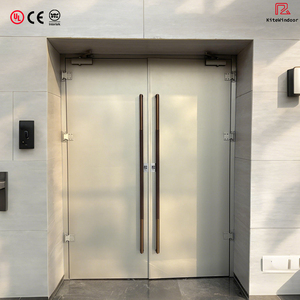
Certificated Steel Fireproof Door 2 Hours Fire Resistant Emergency Escape Security Door Lock Hardware Exterior Villa Modern
- 120-Min Fire Resistance (UL / BS Standard)
- High-Density Mineral Wool Insulation Core
- Stainless Steel Panic Bar Mechanism
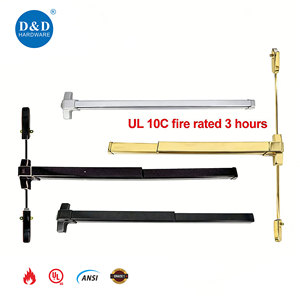
UL Listed Stainless Steel 304 Security Fire Rated Door Double Fire Exit Hardware Push Panic Bar
- Grade 304 Anti-Corrosion Stainless Steel
- Dual-Leaf Vertical Rod Egress Latching
- ANSI/BHMA Grade 1 Heavy Duty Hardware
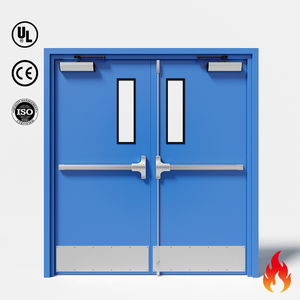
Custom Modern Steel Fire Door for Panic Hardware Soundproof Metal Hospital Corridor School Entry Workshop Factory
- Acoustic Insulation Rating: STC 42dB
- Antimicrobial Powder-Coated Finish
- Custom Vision Lite Glazing Options
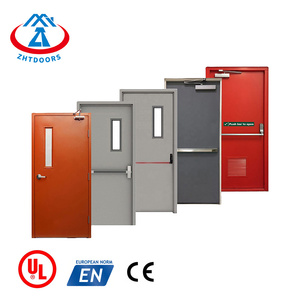
Emergency Exit 3 Hours Panic Bar Fire Rated Steel Doors
- Maximum 180-Minute UL 10C Protection
- Heavy Gauge Galvanized Steel Core
- Positive Pressure Intumescent Seals
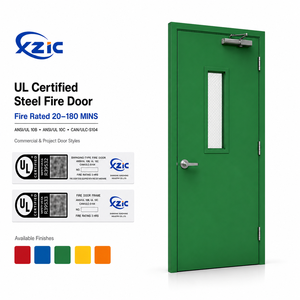
UL 10C Steel Stiffened Core Panic Bar Vision Lite Hardware Commercial Building Galvanized Entry Fire Rated Steel Door
- Vertical Steel Rib Internal Reinforcement
- Fire-Resistant Ceramic Wire Glass Panel
- Pre-Drilled Precision CNC Hinge Prep
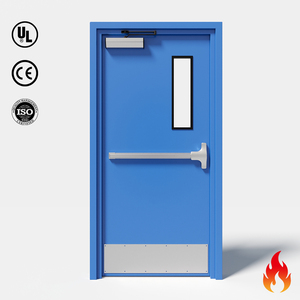
Steel Fire Door For 180 Minutes Hollow Metal Panic Bar Security Modern Finished Hospital School Factory Commercial
- Hollow Metal Structure with Perlite Board
- Rim Type Panic Exit Push Device
- 1,000,000 Cycle Tested Hardware
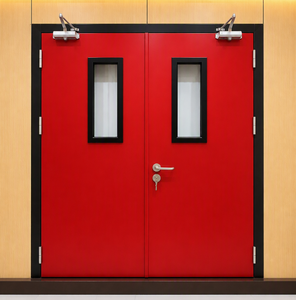
Factory Direct Sale Steel Fire Exit Door Emergency Panic Bar Fire Rated Security Door Commercial Metal Fireproof Door
- Direct Manufacturer B2B Pricing
- Fast 4–5 Week Export Delivery
- Customizable RAL Architectural Colors
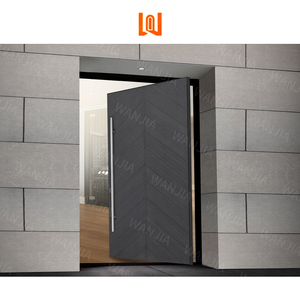
Heavy Duty Steel Pivot Metal Door With Weatherproof Design For Outdoor Commercial Entryway Strong Security
- Concealed Floor Pivot Bearing Hardware
- All-Weather EPDM Perimeter Gasketing
- High-Impact Commercial Security Core
Why Leading Global Contractors Source Egress Systems from China
Based in Foshan, China's premier industrial fenestration hub, our engineering infrastructure combines multi-axis CNC metal fabrication, automated robotic welding, and rigorous certified testing to deliver international compliance at scale.
In-House Manufacturing Scale
Spanning over 50,000 square meters of production area and backed by more than 230 skilled personnel, our factory manufactures over 500,000 assemblies annually. We control the complete production chain from steel profiling to hardware integration.
Rigorous International Certifications
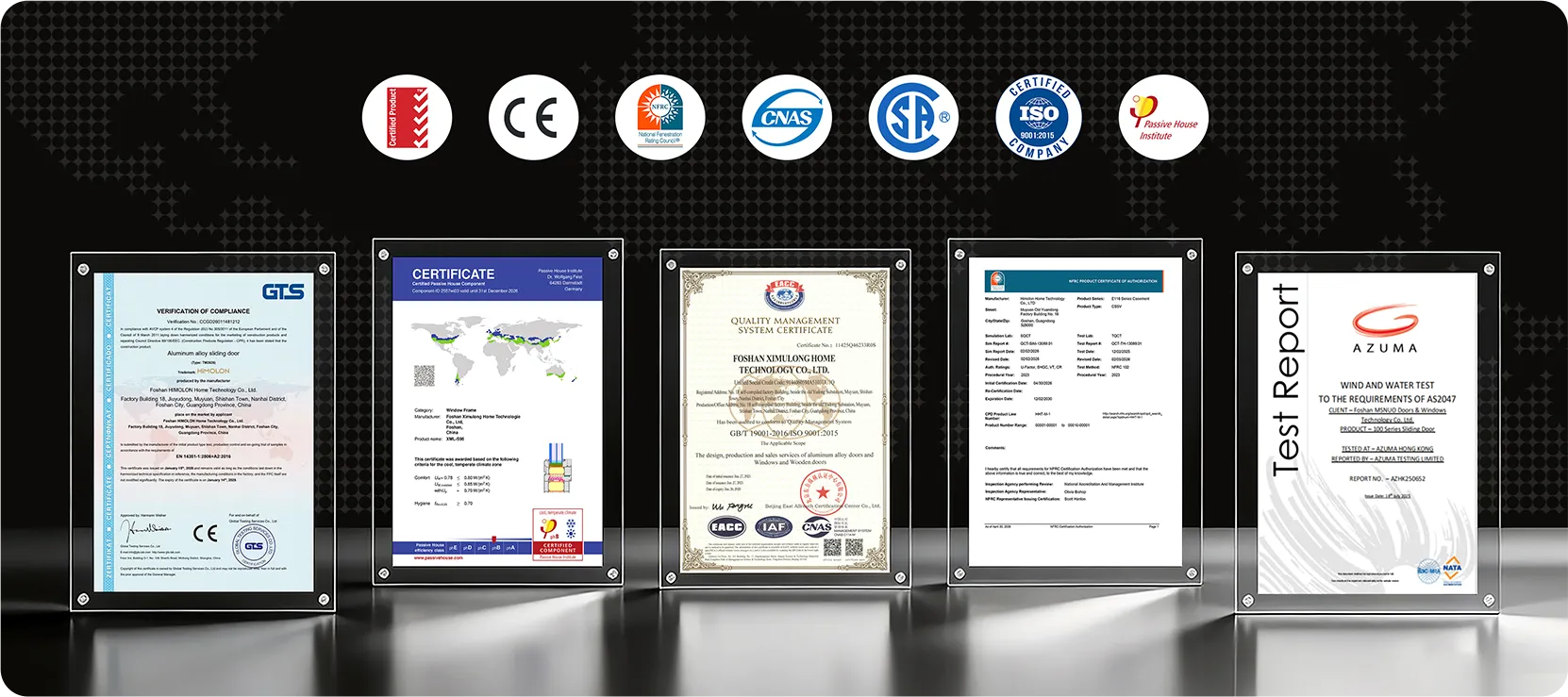
Our panic hardware doors and emergency fire exit systems meet stringent worldwide standards including UL 10B, UL 10C positive pressure fire tests, NFPA 252, CAN/ULC-S104, BS 476 Part 22, and European EN 1634-1 / EN 1125 compliance.
Precision Drawing-Based OEM/ODM
Our English-speaking project engineering team reviews CAD/BIM architectural drawings within 24 hours. We provide full shop drawings, custom dimensioning, pre-punched hardware cutouts, and clear installation documentation for seamless jobsite mounting.
Grade 1 Panic Hardware Endurance
Integrated panic exit devices undergo cycle durability testing exceeding 1,000,000 operations (ANSI/BHMA A156.3 Grade 1). Heavy-duty stainless steel 304 and zinc-alloy push bars guarantee instant single-motion egress under crisis conditions.
Thermal & Acoustic Barrier Cores
Equipped with ultra-dense mineral wool, volcanic perlite boards, or honeycomb stiffened cores, our fire exit assemblies provide structural rigidity, heat attenuation (UL thermal barrier ratings), and acoustic isolation up to STC 45dB.
Heavy-Duty Export Packaging
Units are protected with scratch-resistant surface PE films, reinforced corner guards, bubble wrap, and packed inside fully enclosed fumigated wooden crates or steel-framed pallets to guarantee zero shipping damage during LCL/FCL ocean transport.
Advanced Industrial Infrastructure & Rigorous QC Protocols
At our Foshan manufacturing headquarters, every steel panic door panel undergo rigorous quality control. From cold-rolled galvanized steel sheeting selection (18 Gauge / 1.2mm door skins, 16 Gauge / 1.5mm door frames) to laser cutting, automated bending, and electrostatic powder coating, we ensure micrometer-level precision.
Our fire testing furnace and hardware stress labs continuously sample production lines to verify positive pressure resistance, smoke seal containment, and push bar latch retraction velocity during sudden mass egress scenarios.
Engineering Egress: Life Safety Standards, Fire Core Metallurgical Specs & Hardware Dynamics
An in-depth architectural guide for project managers, structural engineers, and commercial door procurement officers specifying panic exit door systems for international building codes.
Panic door hardware—commonly referred to as exit devices, push bars, or crash bars—is a critical life-safety component engineered to afford immediate, unlatching egress under pressure without prior knowledge of the lock's operation. When paired with fire-rated hollow metal or specialized steel door assemblies, these systems must perform a dual, seemingly contradictory role: providing effortless outward escape during human panic, while remaining structural barriers against infernos reaching temperatures above 1,000°C (1,832°F) under positive pressure fire conditions.
1. Core Insulation Materials & Thermal Physics
The thermal isolation capacity of a fire exit door depends on its internal core matrix. In modern steel fire door manufacturing, three core options dominate high-specification procurement:
- High-Density Mineral Wool Core: Formed from molten basalt rock spun into dense fibers (100–140 kg/m³ density). It provides exceptional non-combustibility, low thermal conductivity, and acoustic absorption (STC ratings up to 45dB). Ideal for 60 to 120-minute fire ratings in commercial office towers and educational corridors.
- Expanded Volcanic Perlite Board: A rigid, inorganic mineral block engineered for maximum 180-minute (3-hour) UL fire endurance. Perlite exhibits zero flame spread, zero toxic smoke emissions, and superior structural integrity when exposed to prolonged thermal shock and hose-stream impact tests.
- Steel-Stiffened Core with Insulated Cavities: Designed for extreme physical security locations such as banks, detention facilities, and industrial warehouses. Vertical 20-gauge steel ribs are spot-welded to inner door skins at 6-inch centers, with intervening spaces packed with insulating fibreglass or rock wool.
2. Mechanics of Panic Exit Devices: Rim, Mortise & Vertical Rod Systems
Selection of panic hardware hinges on door leaf configuration (single vs. double leaf), frequency of traffic, and security demands:
Rim Panic Devices: Mounted directly to the interior push surface of a single door panel or a double door utilizing a removable mullion. The latch bolt projects into a frame strike. Known for simple maintenance and high durability in high-traffic corridors.
Surface-Mounted & Concealed Vertical Rod Devices (SVR / CVR): Essential for double-leaf egress openings where a central mullion is unacceptable due to wide equipment transfer requirements (e.g., hospital corridors, auditorium exits). Top and bottom latches secure the active and inactive leaves directly into the frame header and floor strike.
| Fire Rating Standard | Testing Protocol | Max Time Rating | Core Type Recommended | Primary International Target Markets |
|---|---|---|---|---|
| UL 10C / NFPA 252 | Positive Pressure Fire Test | 180 Minutes (3 Hrs) | Perlite Board / Steel-Stiffened | North America, Middle East, Asia-Pacific |
| UL 10B / CAN/ULC-S104 | Neutral Pressure Fire Test | 120 Minutes (2 Hrs) | High-Density Mineral Wool | North America, Select Export Regions |
| BS 476 Part 22 | British Fire Resistance Test | 240 Minutes (4 Hrs) | Mineral Core / Perlite Board | United Kingdom, Commonwealth Nations, Gulf Region |
| EN 1634-1 / EN 1125 | European Egress & Fire Standard | 120 Minutes (EI2-120) | Insulated Mineral Wool Matrix | European Union, UK, Latin America |
Future Procurement & Technological Trends in Egress Systems
How smart integration, decarbonization, pre-engineered modularity, and advanced aesthetics are transforming commercial panic door specification globally.
1. Smart Access & Electrified Motorized Retraction
Traditional mechanical push bars are rapidly shifting toward electrified panic exit devices featuring Motorized Latch Retraction (MLR) and integrated card access control. In smart commercial buildings, panic hardware connects directly to the Central Building Management System (BMS). Upon receiving a fire alarm signal, latches auto-unlock or retract to enable unrestricted emergency access for first responders while maintaining delayed-egress security against theft during standard operation.
2. Prefabricated Modular Door Sets
Onsite labor costs in North America and Western Europe have accelerated demand for factory pre-assembled, modular door packages. China's top manufacturers now ship doors with pre-drilled CNC lock preparations, pre-installed hinge backing plates, fitted glass vision lites, and pre-cut frame strikes. This reduces jobsite installation time from 3 hours per opening to under 45 minutes, dramatically lowering overall project contractor expenditure.
3. Low-Carbon Metallurgical Sourcing (Green Steel)
Global ESG mandates require commercial developers to source construction materials with verified Environmental Product Declarations (EPDs). Leading Foshan door plants are incorporating recycled galvanized steel sheets, zero-VOC waterborne primers, and energy-efficient powder coating lines. Procurement teams prioritize suppliers capable of supplying full carbon-footprint tracing certificates.
4. Architectural Slim Sightlines & Concealed Egress
Commercial architects no longer tolerate bulky, industrial-looking panic hardware in high-end office lobbies or luxury hotel corridors. The market is trending toward micro-profile push bars, concealed vertical rod (CVR) systems hidden inside the steel door stile, and flush-mounted vision lites framed with ultra-thin architectural bevels that combine fire safety with modern minimalist aesthetics.
Frequently Asked Questions for Global B2B Door Buyers
Essential answers regarding certification verification, custom drawings, container shipping protection, and building code compliance when importing panic hardware doors from China.
How do I verify if your steel fire doors and panic hardware have valid UL listing certificates?
What is the typical factory production lead time for custom panic door project orders?
Can you fabricate panic exit doors to exact custom wall rough opening sizes and structural wall thicknesses?
What internal door core material should I specify for a high-traffic hospital or school corridor?
How are doors protected against corrosion and moisture during international sea freight shipping?
Do you provide remote technical installation support or jobsite guidance for overseas installation teams?
Can panic bars be integrated with electric strikes and access control keypads?
Get Factory-Direct B2B Pricing & Engineering Consultation
Send your architectural drawings, door schedules, or project specification requirements to our Foshan engineering team. Receive shop drawings, UL compliance verification, and factory-direct FOB/CIF quotes within 24 hours.
