Wholesale Burglar-Resistant Aluminum & Steel Door Systems
Engineered for high-security residential villas, commercial entrances, and structural fenestration projects worldwide.
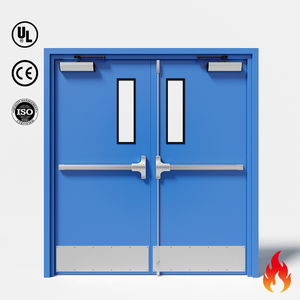
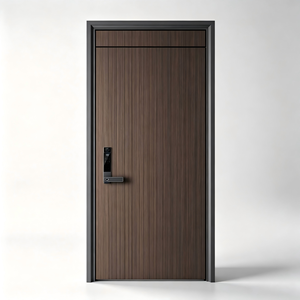
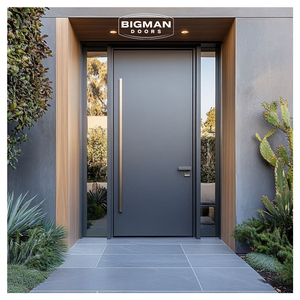
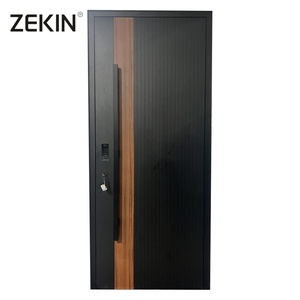
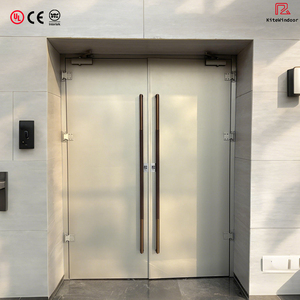
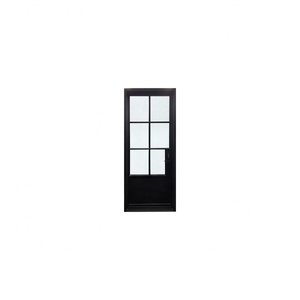
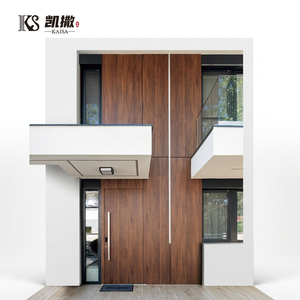
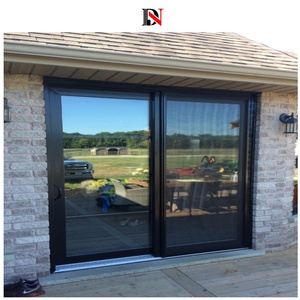
Structural Authority & Wholesale Manufacturing Landscape of China Burglar Resistant Doors
In modern architectural engineering, entry door systems have transitioned from passive access barriers into sophisticated multi-functional security envelopes. Global commercial developers, luxury villa builders, and security-conscious importers increasingly turn to top-tier China wholesale burglar resistant aluminum door manufacturers to satisfy stringent physical anti-theft benchmarks (such as European standard EN 1627 RC2, RC3, and RC4) without sacrificing thermal efficiency, acoustic insulation, or sleek architectural aesthetics.
Headquartered in Foshan, Guangdong—the epicenter of world-class architectural aluminum extrusion—Vancoor Entrance System Co., Ltd. has led this technological evolution since 1993. Spanning a 50,000 m² automated production facility staffed by over 230 dedicated engineers and technicians, Vancoor bridges the gap between high-precision metallurgical engineering and high-volume wholesale procurement. By controlling every stage of manufacturing—from high-tensile 6063-T6 aluminum extrusion, CNC multi-axis milling, and polyamide thermal break insertion to multi-point locking integration and SGP structural safety glazing—we deliver fully certified, custom-tailored entrance systems to buyers across North America, Europe, Australia, and the Middle East.
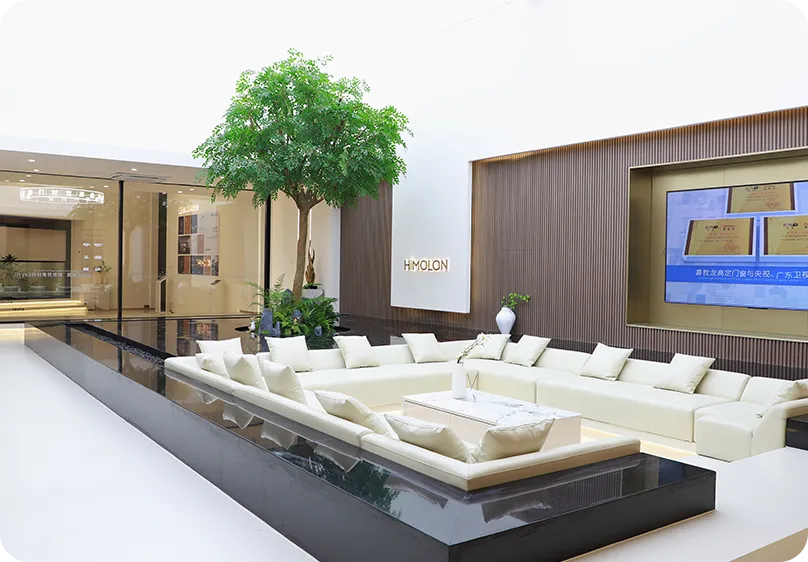
Integrated Industrial Metallurgy & Precise Customization
Unlike conventional fabricators who assemble generic off-the-shelf components, certified Chinese manufacturers utilize heavy-duty profile wall thicknesses ranging from 2.5mm to 3.5mm, reinforced internal corner cleats, and anti-pry interlocking leaves. This structural rigidity prevents forced physical intrusion using heavy tools, crowbars, or mechanical drills, ensuring maximum protection for high-value residential and commercial properties.
Our direct engineering process accepts direct CAD and BIM files, returning fully customized shop drawings, precise load-bearing calculations, and hardware compatibility sheets within 24 hours.
Future Sourcing & Technology Trends in Burglar-Resistant Aluminum Doors
How global architectural standards, security innovations, and energy codes are reshaping wholesale B2B door procurement.
1. Convergence of Burglar Security & Thermal Insulation
Historically, heavy anti-theft doors suffered from poor thermal performance due to thermal bridging across solid metal frames. Future wholesale trends favor hybrid structural profiles featuring PA66-GF25 glass-fiber reinforced polyamide thermal barrier strips embedded directly between high-density aluminum extrusions, achieving U-values below 1.2 W/m²K alongside RC3 security ratings.
2. Multi-Point Smart Biometric Hardware Integration
Mechanical keys are rapidly giving way to motorized multi-point lock systems. Leading manufacturers integrate heavy-duty stainless steel hook bolts (up to 7 locking points) directly controlled by 3D structured-light facial recognition, hidden capacitive fingerprint sensors, and encrypted smart-home protocols (Zigbee 3.0 / Matter), backed by manual mechanical override key cylinders hardened against drilling and picking.
3. Ultra-Large Format Heavy Pivot & Minimalist Slim Frames
Architects demand grandeur without sacrificing physical safety. The industry is seeing massive growth in high-load over-sized entrance pivot doors capable of carrying panel weights up to 500kg. Utilizing heavy-duty hydraulic floor pivots with adjustable closing speeds, these massive doors operate effortlessly while incorporating perimeter anti-burglar claw latches.
4. Strict Compliance & Dual-Certification Sourcing
Global importers no longer accept unverified factory claims. B2B buyers now mandate third-party certified test reports validating both physical burglary resistance (EN 1627 / PAS 24 / ASTM F476) and environmental durability (hurricane impact TAS 201/202/203, air infiltration, and water penetration resistance).
5. Advanced Surface Treatments for Extreme Climates
Wholesale orders for coastal regions demand superior surface protection against salt-spray corrosion and UV degradation. Modern manufacturing incorporates Qualicoat Class 2 Fluorocarbon (PVDF) coatings and real-wood grain heat-transfer sublimation on anodized aluminum surfaces, maintaining finish integrity for over 25 years.
6. Modular Factory-Prefabricated Assembly Kits
To reduce expensive overseas installation labor costs, Chinese factories pre-assemble, pre-hang, and test key hardware systems before shipping. Doors are packaged as unitized modular assemblies with factory-drilled anchoring points, enabling rapid, error-free jobsite installation.
Anatomy of a High-Security Burglar-Resistant Aluminum Entrance System
To understand why premium aluminum burglar-resistant doors outperform standard architectural doors, B2B buyers must evaluate five key mechanical and structural pillars:
1. Metallurgical Alloy Selection & Wall Thickness
Standard architectural doors typically utilize 6063-T5 aluminum with profile thicknesses around 1.4mm to 1.8mm. In contrast, genuine burglar-resistant entrance doors utilize high-tensile 6063-T6 or 6061-T6 aluminum alloys with primary structural walls engineered between 2.5mm and 3.0mm. Internal web stiffeners provide exceptional torsional resistance against crowbar attacks and mechanical deformation.
2. Anti-Pry Interlocking Frame & Leaf Geometry
Burglar resistance relies heavily on frame geometry. Certified security doors feature stepped outer frames with concealed anti-pry rebate lips that overlap the door leaf when closed. This eliminates the gap required to insert prying tools or lever arms between the door sash and jamb.
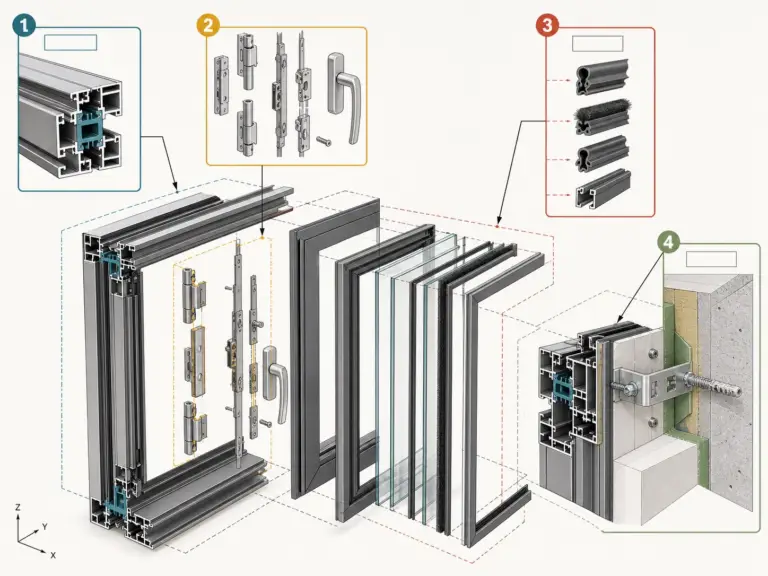
3. Multi-Point Hook Locking Systems & Anti-Drill Plates
A single latch point is vulnerable to localized force. High-security aluminum doors employ German or custom-engineered multi-point locks that extend heavy steel claw hooks, top/bottom deadbolts, and central latch pins into reinforced strike plates. Furthermore, manganese alloy anti-drill plates shield the lock gearbox from high-speed carbide drill bits.
4. Laminated Security & Blast-Resistant Glazing (SGP / PVB)
When glass vision panels are included, standard tempered glass is insufficient. Burglar-resistant doors integrate double or triple-glazed units containing laminated safety glass with DuPont SGP (SentryGlas® Plus) or high-density PVB interlayers. SGP laminates are 5 times tougher and up to 100 times stiffer than standard laminates, retaining structural integrity even after multiple impacts from sledgehammers or blunt instruments.
5. Concealed Heavy-Duty Security Hinges & Anti-Jimmying Pins
Hinge attack is a common entry vector. Vancoor security door systems utilize heavy-duty 3D-adjustable concealed pivot hardware or stainless steel butt hinges equipped with integral anti-jimmying security studs. When the door closes, these solid steel studs lock directly into the aluminum frame rebate, rendering hinge pin removal completely ineffective.
Technical Specification Matrix: Standard vs. Burglar-Resistant Doors
Comparative benchmarks for B2B procurement officers and engineering specifiers.
| Performance Specification | Standard Architectural Door | RC2 Security Aluminum Door | RC3 / RC4 High-Security Door |
|---|---|---|---|
| Target Application | Internal / Low-Risk Patio | Residential Main Entrance | Luxury Villa / Commercial Vault / High-Risk |
| Aluminum Profile Thickness | 1.4mm – 1.8mm | 2.0mm – 2.5mm | 2.5mm – 3.5mm Heavy Duty T6 |
| Security Resistance Rating | No Rating (Basic Latch) | EN 1627 RC2 (Manual tools) | EN 1627 RC3 / RC4 (Heavy crowbars/drills) |
| Locking Mechanism | Single-Point Latch | 3-Point Multi-Lock | 5 to 7-Point Steel Hook Lock + Anti-Drill |
| Glass Specification | Standard Tempered Glass | 6mm + 1.14PVB + 6mm Laminated | 8mm + 1.52SGP + 8mm Structural SGP |
| Thermal Insulation (U-Value) | 2.8 – 3.5 W/m²K | 1.8 – 2.2 W/m²K | 1.0 – 1.4 W/m²K (PA66 Thermal Break) |
| Acoustic Noise Reduction | 25 dB – 30 dB | 35 dB – 40 dB | 42 dB – 48 dB Double Sealing |
Require Custom Engineering Shop Drawings & OEM Factory Quotations?
Our dedicated structural engineering team provides custom CAD drawings, hardware recommendations, and FOB/CIF pricing within 24 hours.
Why Direct Sourcing from Vancoor Delivers Superior B2B ROI
A look inside our Foshan manufacturing complex, quality control protocols, and global compliance testing.
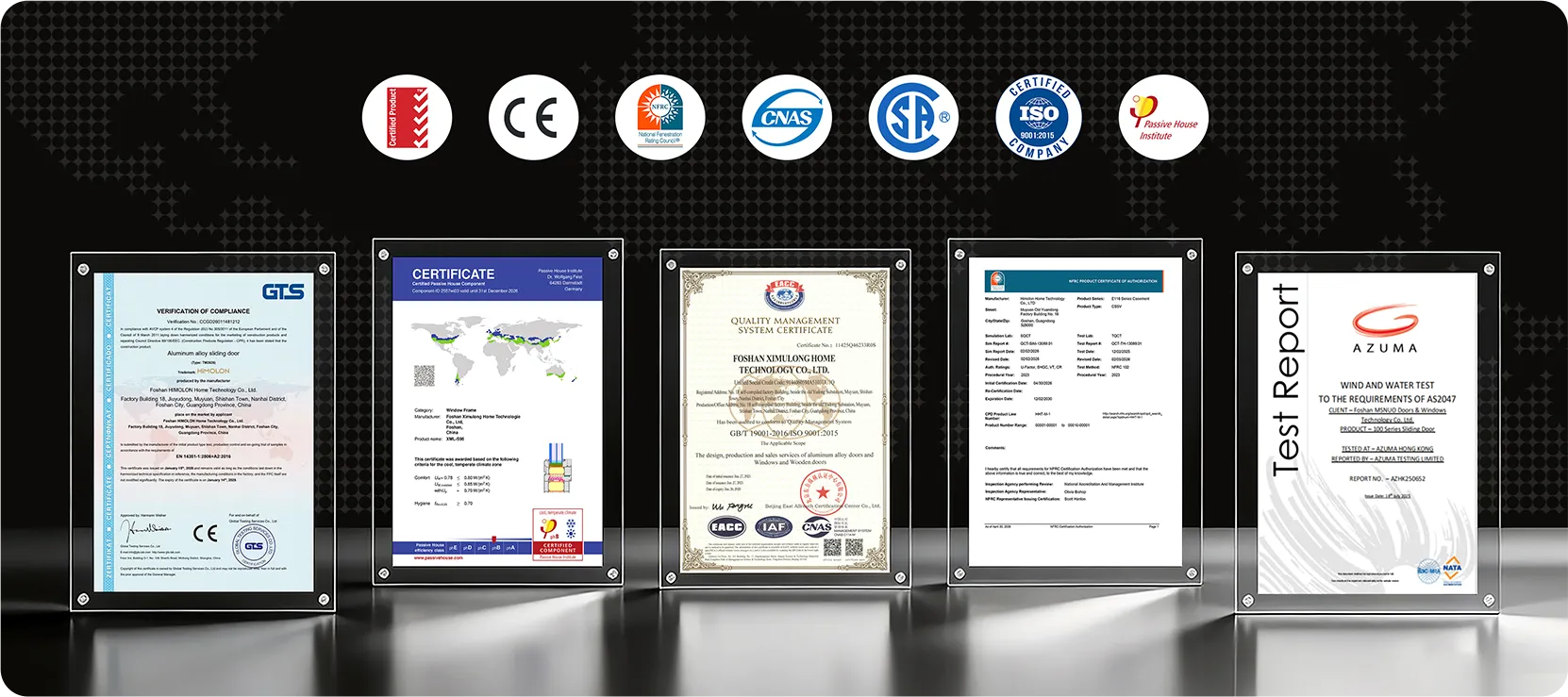
Full In-House Control: From Billets to Export Packaging
Quality failure in international fenestration shipping is costly. At Vancoor Entrance System Co., Ltd., we mitigate risks by keeping 100% of manufacturing in-house across our 50,000 m² plant.
Our multi-stage quality assurance protocol includes:
- Spectrometric Alloy Verification: Testing raw aluminum billets to guarantee exact 6063-T6 chemical composition.
- CNC Precision Machining: Multi-axis CNC milling machines drill lock pockets, hinge recesses, and drainage slots to ±0.1mm tolerances.
- Pre-Shipment Trial Assembly: Every door unit is completely assembled, sash-hung, and tested for latching force, seal compression, and keyless operation prior to packing.
- Heavy Export Crating: Finished units are wrapped in protective polyethylene film, fitted with impact-resistant foam corner guards, and sealed in heavy fumigated plywood crates for safe ocean transit.

Frequently Asked Questions for B2B Burglar-Resistant Door Sourcing
Detailed engineering and commercial answers to help importers, architects, and contractors streamline procurement.
Partner with China's Premier Burglar Resistant Door Manufacturer
Whether you are sourcing for a high-end luxury residential development, commercial complex, or establishing a regional wholesale distribution network, Vancoor delivers certified security, factory-direct pricing, and uncompromised engineering quality.
