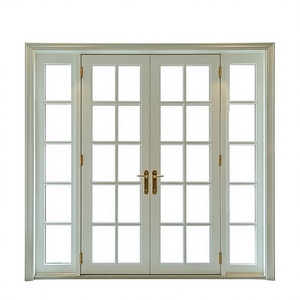
French Patio Door
Direct factory-engineered entrance systems designed for commercial projects, high-end residential villas, and global distributor networks. Engineered with precision extrusion alloys, multi-point locks, and extreme weather resilience.
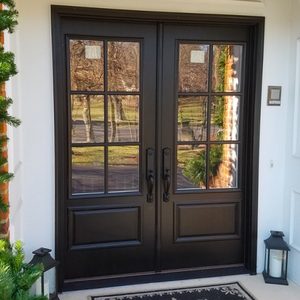
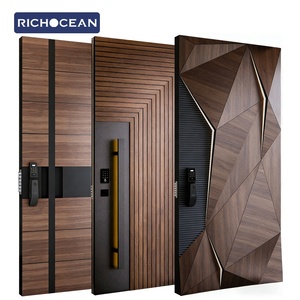
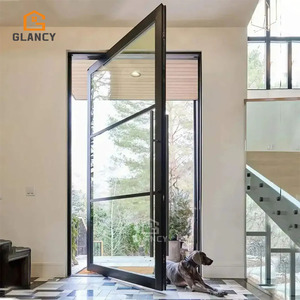
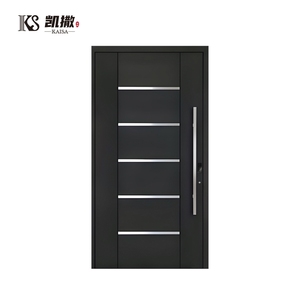
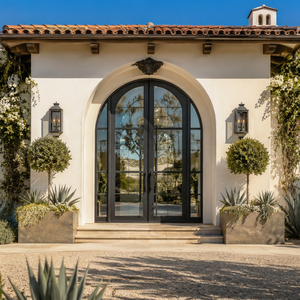
In modern architectural design, exterior entry doors serve as the critical boundary between indoor comfort and structural security. Specifying direct-from-factory aluminum entry doors requires a profound technical understanding of metallurgical alloys, thermal decoupling mechanisms, hydrophobic sealing integrity, and structural load-bearing parameters.
As global architectural standards pivot toward higher energy efficiency, strict building code compliance (such as NFRC, AS2047, and European CE benchmarks), and elevated structural security, procurement professionals must move beyond simple aesthetic evaluations. Sourcing high-performance OEM aluminum entry doors directly from tier-1 manufacturers provides developers and distributors with unparalleled customization depth, structural resilience, and cost optimization.
The structural foundation of any premium entrance system lies in the precise formulation of its extruded aluminum alloy. Industry-leading OEMs utilize prime-grade aluminum alloy 6063-T5 or 6060-T66, engineered to deliver tensile strength exceeding 185 MPa and yield strength above 110 MPa. Standard wall thicknesses for heavy-duty entry profiles range between 2.0mm and 3.0mm, ensuring zero frame deflection even under extreme wind pressures exceeding 4500 Pa.
| Specification Parameter | Standard Commercial Grade | Vancoor OEM High-Performance Grade | Architectural Impact Benefit |
|---|---|---|---|
| Profile Alloy Temper | Recycled 6063-T4 (1.4mm - 1.6mm) | Virgin Billet 6063-T5 / 6060-T66 (2.0mm - 3.0mm) | Superior structural rigidity, zero frame warping, 30+ year lifespan. |
| Thermal Break Barrier | PVC / Low-grade Nylon Strip | PA66-GF25 (25% Glass Fiber Reinforced Polyamide) | Exceptional thermal decoupling; reduces U-factor down to 0.78 W/m²K. |
| Surface Finish Standard | Basic Powder Coat (AAMA 2603) | Fluorocarbon PVDF Paint (AAMA 2605) / Anodized Class I | 3,000+ hour salt spray resistance; extreme UV color retention in coastal climates. |
| Glazing Architecture | Single 5mm / Double 5+9A+5mm | Triple Glazed Low-E + Argon / SGP Laminated Hurricane Glass | Acoustic damping up to STC 45 dB; storm security resistant to missile impacts. |
| Hardware Integration | Single Point Zinc Latch | German Multi-Point Locking (Siegenia / Roto / G-U) | Grade 1 anti-theft rating; airtight compression perimeter sealing. |
Aluminum is inherently a highly conductive material. To eliminate thermal bridging, advanced custom OEM entry doors integrate a broken-bridge thermal barrier. This is achieved by joining outer and inner extruded profiles using PA66-GF25 structural polyamide strips reinforced with 25% glass fiber. This composite matching coefficient of thermal expansion matches aluminum itself, preventing delamination during intense seasonal thermal cycling.
Strategic B2B market intelligence highlighting the architectural demand shifts, regulatory changes, and manufacturing advancements shaping the international door and window sector over the next decade.
Global energy efficiency mandates (such as the EU Energy Performance of Buildings Directive and US Title 24) are pushing door U-factors below 0.8 W/m²K. OEM manufacturers are rapidly implementing multi-chambered PA66 foam-filled insulation cores and triple Low-E argon glass configurations to achieve zero-energy building compliance.
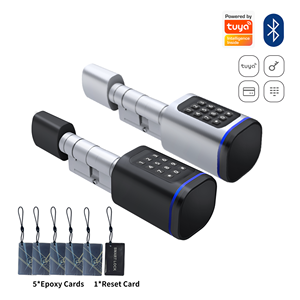
Mechanical keys are being superseded by fully integrated smart locking systems. The future of OEM entry door manufacturing revolves around factory-embedded biometric fingerprint sensors, facial recognition cameras, Tuya/Zigbee IoT connectivity, and electromechanical motor-driven multi-point deadbolts with battery backup emergency release.
Modern architectural trends favor dramatic, wide openings. Entrance doors exceeding 3.5 meters in height and 2.0 meters in width are increasingly requested. OEMs are engineering concealed floor-pivot hydraulic hinges capable of supporting sash weights up to 500 kg while maintaining effortless, finger-touch closing operation.
With rising global climate volatility, coastal developments mandate rigorous impact resistance. Future procurement requires doors certified to Florida Building Code HVHZ (High Velocity Hurricane Zone) protocols, utilizing SentryGlas® (SGP) structural interlayers that withstand wind speeds exceeding 250 km/h and large-missile impact testing.
Institutional developers increasingly require Environmental Product Declarations (EPDs). Sourcing managers prioritize OEM exporters utilizing certified recycled aluminum billets processed with renewable hydro-power energy, alongside non-toxic, VOC-free powder coat finishes compliant with REACH and RoHS regulations.
Procurement lead times are being compressed through digital twin integration. Modern OEM suppliers provide direct BIM (Revit) objects and parameterized 3D CAD models within 24 hours of inquiry, streamlining sign-off between real estate developers, structural engineers, and factory CNC production lines.
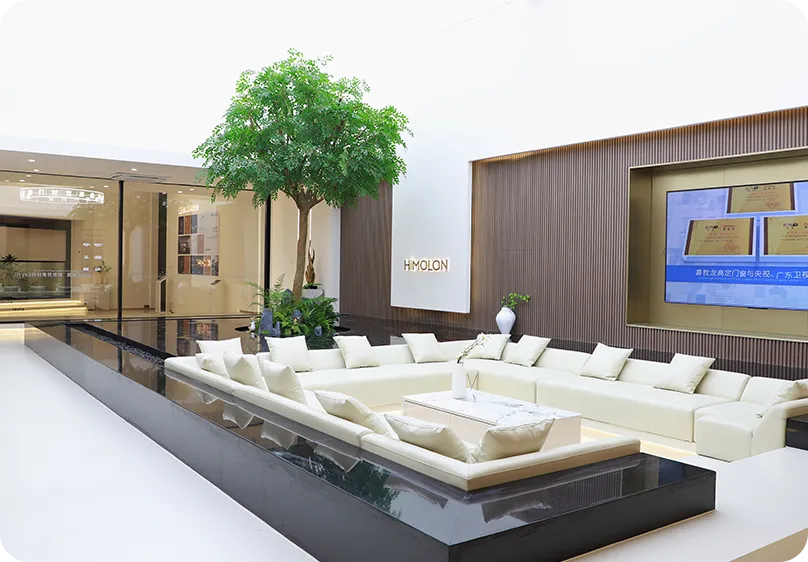
Established in 1993 in Foshan, Guangdong—China's global capital for aluminum extrusion—Vancoor has spent over three decades engineering custom thermal break aluminum windows, entrance doors, and architectural facade systems.
Operating a massive 50,000 square meter standardized production base with an annual output capacity of 500,000 units, we maintain complete in-house quality control: from aluminum billet extrusion and CNC precision machining to automated surface finishing, double glazing assembly, and rigorous hydrostatic testing.
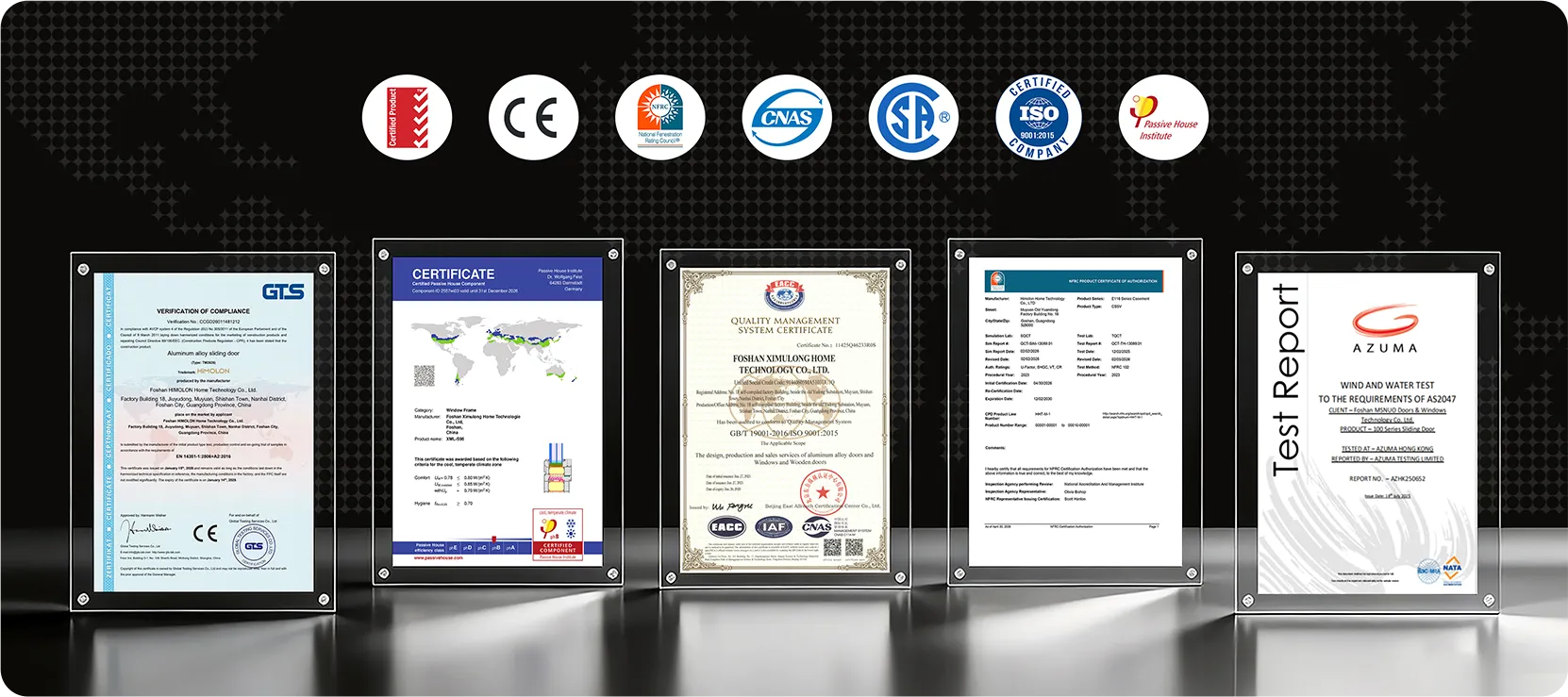

In-depth technical answers regarding customization tolerances, shipping protection, compliance certification, and OEM production workflows.
Partner with a 30+ year manufacturer. Send your architectural drawings, elevation schedules, or procurement inquiries to our engineering department for immediate pricing and BIM support.
