Featured Commercial & Residential Aluminum Front Doors
Engineered for structural durability, thermal breakdown performance, and modern architectural aesthetics.
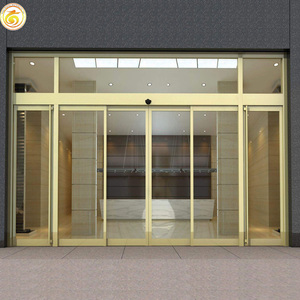
Innovative Frameless Glass Storefront Doors for Upscale Boutique and Restaurant Entrance
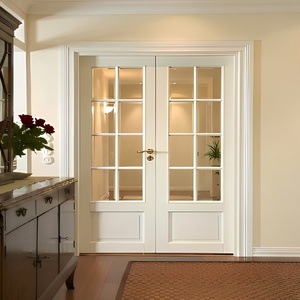
PDP Hurricane Impact Aluminum Alloy Waterproof Minimalist Exterior & Interior Casement French Doors High-Transparency Screen
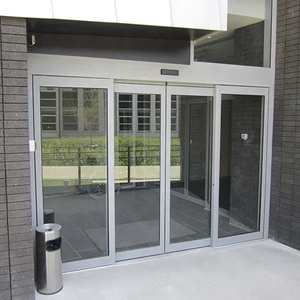
Commercial Exterior Hospital Fire Rated Thermal Break Automatic Sliding Aluminum Front Entrance Door
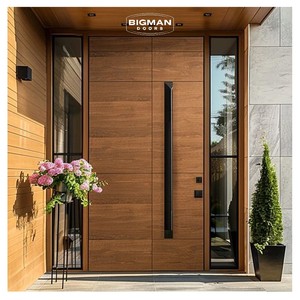
Premium Solid Walnut Front Entry Door With Double Sidelight Modern Design Waterproof For Hotel And Hall Use
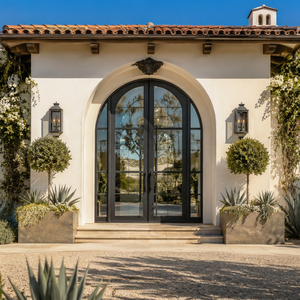
Custom Luxury Matte Black Wrought Iron Arched French Double Entry Door Clear Glass Panels with Sidelights for Villa
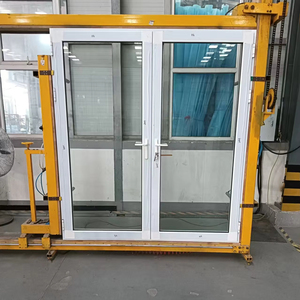
China Manufacturer Swing Open Aluminium Glass French Doors Double Panel Exterior Aluminium Door For Patio
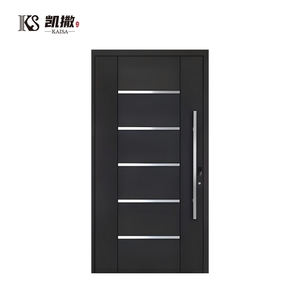
Modern Swing Opening Customized Size Front Entry Doors Aluminum Alloy Iron Exterior Security Doors Exterior Doors For House
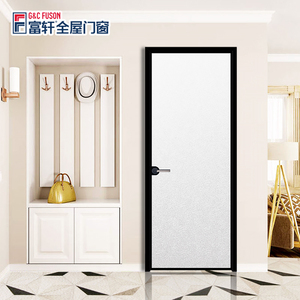
Hotel Room Glass Interior Casement Door With Lock Kitchen House Bedroom Door Office Aluminum Frame Swinging Glass Swing Door
Executive Summary: The Evolution of Global Aluminum Front Door Procurement
In modern commercial and high-end residential architecture, the entryway serves as the primary intersection of aesthetic identity, structural envelope integrity, thermal efficiency, and security performance. Choosing the right aluminum front door suppliers is no longer merely a pricing exercise—it is a critical engineering decision that dictates compliance with localized building codes (such as Florida Building Code DP ratings, European CE EN 14351-1, and Australian AS2047 standards).
This comprehensive procurement report analyzes the competitive landscape among the top global manufacturers and Chinese export powerhouses. By evaluating extrusions metallurgy (6063-T6 versus 6060 T66), thermal break polyamide technology (PA66 GF25 insulative strips), multi-point hardware integration, and surface finish longevity (AAMA 2605 fluoropolymer coatings), real estate developers, architectural specifiers, and trade importers gain a transparent framework for selecting top-tier supply chain partners.
10 Engineering Criteria for Selecting Top Aluminum Front Door Suppliers
A spec-first analysis framework designed to mitigate sourcing risks, ensure code compliance, and guarantee structural longevity.
1. Extrusion & Metallurgy Precision
Top suppliers utilize primary 6063-T6 or 6060-T66 aluminum billets with strict wall thickness tolerances (minimum 2.0mm to 3.0mm for entry doors). This ensures superior structural moment of inertia, preventing frame sagging or warping under heavy wind-load pressure.
2. Advanced Thermal Barrier Systems
High-performance doors incorporate Technal or Technoform PA66 GF25 (25% glass fiber reinforced polyamide) thermal break strips. This reduces the thermal transmittance (U-factor) to as low as 1.2 W/m²K, preventing thermal bridging in extreme climates.
3. Surface Finish Durability
Leading vendors maintain certified powder coating lines applying AkzoNobel or PPG Interpon coatings compliant with AAMA 2604/2605 specifications or Class I Anodizing (25 microns), ensuring 20+ years of resistance against coastal salt spray and UV chalking.
4. Security & Hardware Engineering
Vetted suppliers integrate German or Italian multi-point locking systems (e.g., Siegenia, Roto, Hoppe, G-U) combined with anti-burglary RC2/RC3 safety ratings, smart motorized biometric access controls, and heavy-duty 3D adjustable hidden hinges.
5. Water Tightness & Air Infiltration
Structural seals must feature triple-EPDM continuous gasket loops with vulcanized corner joints. Look for water penetration resistance exceeding 600 Pa and air tightness ratings matching EN 12207 Class 4 standards.
6. Glass Specification Flexibility
Commercial-grade suppliers offer double and triple Low-E insulated glass units (IGU) with warm-edge spacers, argon gas filling, and laminated hurricane impact options (SentryGlas / PVB interlayers capable of passing TAS 201/202/203 missile tests).
7. Custom BIM & CAD Engineering Support
Established vendors provide 24-hour turnaround on shop drawings, BIM object files for Revit modeling, structural wind calculation reports, and exact cross-sectional detail documentation prior to production.
8. International Certification Portfolio
Verified manufacturing entities possess comprehensive test documentation including NFRC (U-factor/SHGC), CE marking, AS2047 certification for Oceania, ISO9001 quality management, and ISO14001 environmental compliance.
9. Factory QC & Trial Pre-Assembly
Premier factories enforce 100% pre-assembly quality inspections. Every front door panel is mounted in its outer frame to verify diagonal squareness, gasket compression, handle operation, and lock latching before export packing.
10. Export Packaging & Logistics Control
Heavy-duty entry doors require multi-layer protective wrapping, protective corner guards, non-adhesive film, and reinforced, fully enclosed fumigated plywood crates to withstand ocean freight transit without glass or frame damage.
Aluminum Front Door Specification Comparison Matrix
A side-by-side performance review across different door system typologies for project specifiers.
| Door Typology | Profile Depth | Thermal U-Value (W/m²K) | Acoustic Rating (STC) | Wind Load (Pa) | Recommended Application |
|---|---|---|---|---|---|
| Luxury Pivot Entrance Door | 100mm - 120mm | 1.3 - 1.6 | 38 - 42 dB | Up to 4500 Pa | Luxury Villas, Architectural Flagships |
| Thermal Break Casement French Door | 70mm - 90mm | 1.1 - 1.4 | 40 - 45 dB | Up to 5000 Pa | High-End Residential, Balconies, Patios |
| Hurricane Impact Exterior Door | 80mm - 100mm | 1.4 - 1.8 | 42 - 48 dB | DP70+ (5500 Pa) | Coastal Regions, Hurricane Zones |
| Commercial Frameless Storefront | 50mm - 65mm | 2.2 - 2.8 | 30 - 34 dB | 2500 - 3000 Pa | Boutiques, Restaurants, Retail Malls |
| Hospital Fire-Rated Auto Sliding Door | 110mm - 135mm | 1.5 - 2.0 | 35 - 40 dB | 3000 Pa (120min Fire) | Healthcare, Commercial Buildings |
Future Procurement & Product Development Trends (2026–2030)
The global market for aluminum doors and windows is experiencing rapid technological refinement driven by decarbonization policies, smart building integration, and minimalist architectural demands. Key trends shaping procurement include:
- Ultra-Minimalist Sightlines: Architects are demanding micro-frame profiles with visible mullion widths under 20mm, relying on structural glass bonding (silicone glazing) to achieve maximum glass-to-frame ratios without sacrificing wind load resistance.
- Decarbonization & Low Embodied Carbon Aluminum: Procurement specifications increasingly mandate prime aluminum extrusions produced using renewable hydropower or incorporating >75% recycled scrap content (such as Hydro CIRCAL), significantly lowering Scope 3 carbon footprints.
- Smart Access Control Integration: Modern front doors feature factory-integrated biometric fingerprint scanners, face recognition cameras, invisible electronic solenoid multi-point locks, and motorized soft-close opening systems compatible with Apple HomeKit and KNX building automation.
- Oversized Pivot Mechanics: Hydraulic floor pivots capable of supporting single door leaves weighing up to 500kg (1100 lbs) and heights exceeding 4 meters have transitioned from custom boutique fabrication to standardized factory export lines.
Enterprise Powerhouse: Vancoor Entrance System Co., Ltd.
A trusted manufacturing foundation powering global fenestration projects since 1993.
30+ Years Manufacturing Excellence
Established in 1993 in Foshan, China—the premier global aluminum extrusion hub—Vancoor has dedicated over three decades to perfecting thermal break window, door, and curtain wall engineering for international trade buyers.
50,000 m² Production Base
Equipped with advanced CNC dual-head cutting saws, automated corner-crimping centers, continuous gasket insertion lines, and dedicated glazing stations, ensuring strict dimensional precision across high-volume production orders.
30+ Technological Patents
In-house R&D engineering teams hold dozens of proprietary structural patents, focusing on silent system operation, enhanced multi-drainage sub-frames, thermal barrier optimization, and hurricane-resistant structural interlocks.
Full Market-Specific Compliance
Every system is pre-configured and tested to satisfy destination market codes—including North American NFRC/AAMA ratings, European CE standard EN 14351-1, and Australian AS2047 requirements, supported by complete project CAD documentation.
Frequently Asked Questions for B2B Procurement
Addressing crucial operational, technical, and logistical questions for overseas door buyers.
Partner with a Leading Custom Aluminum Door Manufacturer
Direct factory supply, custom architectural shop drawings, and certified thermal break door systems engineered to your project specifications.
