Featured Insulated Aluminum Front Entry Door Series
Engineered with high-density polyamide thermal breaks, multi-point anti-theft locking systems, and heavy-duty extruded alloy frames for extreme climate resilience.
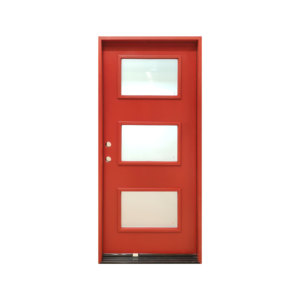
Wholesale Modern Exterior Composite Fiberglass Door with Waterproof Glass Windows and Impact Resistance
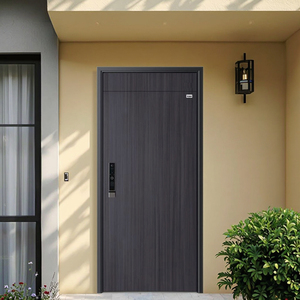
Aluminium Security Anti-Theft Exterior Front Door with Minimalist Design
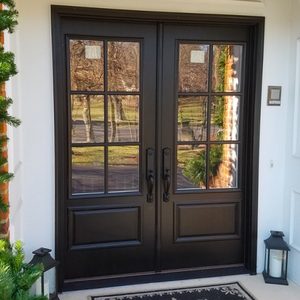
Custom Villa Main Entrance Door Aluminum Casement Door Double Tempered Glass Thermal Insulation For Front Entry Doors
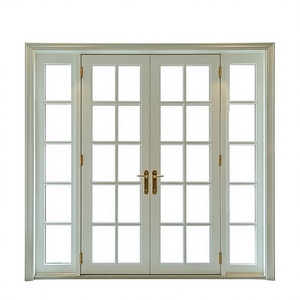
Sunnysky High Quality Patio Double Tempered Glazed Swing Glass Doors Aluminum Glass French Door For Exterior Entry Doors
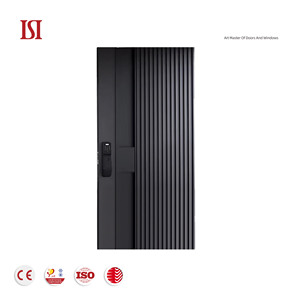
European Luxury Entrance Doors with Anti-Theft Security Modern Residential Exterior for Luxury Villas Manual Opening
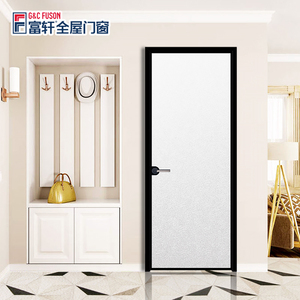
Hotel Room Glass Interior Casement Door With Lock Kitchen House Bedroom Door Office Aluminum Frame Swinging Glass Swing Door
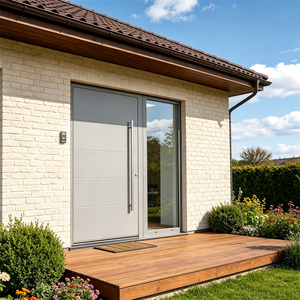
OEM/ODM Customized Modern Design Luxury Soundproof Aluminum Glass Villa House Front Entry Exterior Swing Security Entrance Door
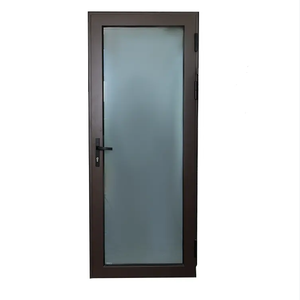
RG50 Casement Door Soundproofing Double Tempered Glass Aluminum Doors Slim Open Door For Home
Vancoor Entrance System: 30+ Years of Manufacturing Leadership
Headquartered in Foshan, China—the world's premier aluminum extrusion epicenter—Vancoor Entrance System Co., Ltd. operates as a fully integrated manufacturer of structural thermal break aluminum entry systems, pivot entrance doors, and custom fenestration solutions.
Extrusion Metallurgy & Alloy Precision
Utilizing primary-grade 6063-T5 and T6 structural aluminum billets, our extrusion profiles feature minimum wall thicknesses exceeding 2.0mm to 3.0mm, ensuring mechanical deflection compliance under high wind loads.
PA66-GF25 Polyamide Thermal Barriers
We integrate Technoform German-standard PA66 nylon reinforced with 25% glass fiber. This limits thermal conduction across inner and outer extrusions, driving complete door U-values down to ≤ 0.8–1.2 W/m²K.
Qualicoat Class 2 Surface Coatings
Featuring AkzoNobel and PPG fluorocarbon PVDF powder coatings, our surface treatments offer anti-corrosion resistance tested up to 3,000+ hours in salt spray chambers, retaining color intensity for decades in coastal zones.
How Top Exporters Build High-Performance Insulated Front Doors
When procuring architectural insulated aluminum entrance doors, global developers, architects, and importers must evaluate factories based on quantifiable physical metrics rather than basic aesthetic claims.
1. Isothermal Performance & Thermal Insulation Engineering
The thermal efficiency of an entry door system depends on its Thermal Transmittance Coefficient (U-factor). Standard uninsulated aluminum frames possess high thermal conductivity (~160 W/m·K), leading to severe energy loss and interior condensation. Premier exporters solve this through multi-chamber thermal breaks filled with high-density polyurethane (PU) foam or expanded aerogel insulation core matrices. When combined with triple-pane Low-E insulated glass units (IGUs) containing argon gas spacers, whole-assembly U-values drop to Passive House standards (≤ 0.8 W/m²K / 0.14 BTU/h·ft²·°F).
| Performance Metric | Standard Export Grade | Vancoor High-Performance Specification | International Testing Standard |
|---|---|---|---|
| Thermal Transmittance (U-Value) | 2.2 - 2.8 W/m²K | 0.8 - 1.2 W/m²K (Thermal Break + PU Core) | ISO 10077-2 / NFRC 100 |
| Air Tightness (Infiltration) | Class 2 / 1.5 m³/(m·h) | Class 4 / ≤ 0.1 m³/(m·h) (Triple EPDM Gasket) | EN 12207 / ASTM E283 |
| Water Tightness (Penetration) | 300 Pa (Class 7A) | 900 Pa (Class E900 / Hurricane Grade) | EN 12208 / ASTM E331 |
| Acoustic Isolation (Soundproofing) | 28 - 32 dB | 42 - 48 dB (STC Rated Glazing System) | EN ISO 140-3 / ASTM E90 |
| Wind Load Resistance | Class C3 (1500 Pa) | Class C5 / E2400 (2400+ Pa / HVHZ Approved) | EN 12210 / ASTM E330 |
| Security Grade (Anti-Theft) | Single Point Lock | 3-Point to 7-Point Automatic Locking System | EN 1627 RC3 / RC4 Compliance |
2. Acoustic Isolation (dB Rating) & Hermetic Sealing
For luxury villas, hotel suites, and urban residences, exterior noise suppression is essential. The leading 10 manufacturers achieve sound suppression ratings up to 45+ STC (Sound Transmission Class) by utilizing continuous triple-layer EPDM (Ethylene Propylene Diene Monomer) weatherstripping gaskets combined with asymmetric glass thickness configurations (e.g., 6mm Outer + 12mm Argon + 8mm Laminated Inner). This prevents airborne acoustic resonance from penetrating interior spaces.
Future Procurement Trends in the Global Entrance Door Market
As international building energy codes tighten and smart home architecture expands, commercial procurement managers and residential developers are adjusting their door sourcing strategies.
1. Smart Access & Motorized Multi-Point Integration
Traditional mechanical key cylinders are rapidly giving way to motorized smart lock systems integrated directly into the door frame profile. Future procurement specifications favor doors pre-wired for biometric fingerprint scanners, facial recognition cameras, Bluetooth/Zigbee modules, and automatic drop-down bottom seal mechanisms.
2. Oversized Modern Pivot Entrance Architecture
Architectural designs increasingly call for floor-to-ceiling entrance doors exceeding heights of 3.5 to 4.0 meters and widths of 1.8 meters. These heavy panel doors require German-engineered concealed pivot hardware capable of supporting panel weights up to 500 kg while maintaining zero-effort finger-touch opening resistance.
3. Decarbonized & Recycled Low-Carbon Aluminum
With the introduction of global carbon tariff schemes such as the European Union's CBAM (Carbon Border Adjustment Mechanism), tier-1 exporters are adopting low-carbon hydro-powered aluminum extrusions and recycled aluminum alloys (up to 75% scrap ratio) to assist project owners in achieving LEED Gold and BREEAM certifications.
Product Development Trends: Next-Generation Aluminum Front Doors
Leading factories are investing heavily in advanced material science, hybrid composite panel structures, and enhanced surface durability to outperform traditional wood and steel entry doors.
Vacuum Insulated Glass (VIG) Panels
Replacing standard double glazing with ultra-thin Vacuum Insulated Glass eliminates internal gas convection. This allows slim door profiles to achieve center-of-glass thermal performance equivalent to a solid insulated wall (U-values below 0.4 W/m²K).
High-Velocity Hurricane Zone (HVHZ) Impact Rating
To satisfy stringent coastal building regulations in regions such as Florida, North America, and the Caribbean, modern front door systems utilize SentryGlas (SGP) interlayer laminated safety glass and reinforced aluminum internal ribs capable of resisting large missile impacts (ASTM E1996).
Anodized Ceramic & Real Wood Veneer Composites
To combine natural warm architectural textures with aluminum's zero-maintenance structural longevity, factories are bonding real exterior-grade modified wood skin plates, sintered stone ceramic slabs, and fluorocarbon 3D-grain coatings over aluminum core panel substrates.
Frequently Asked Questions for Overseas B2B Buyers
Clear engineering answers regarding customized specifications, compliance verification, delivery schedules, and international logistics safeguards.
What is the typical production lead time for custom insulated aluminum front doors?
Once final CAD/BIM shop drawings and technical specifications are approved by the client, standard production and assembly at our Foshan facility take approximately 4 to 5 weeks. Highly customized orders involving special PVDF finishes or heavy pivot hardware may require 5 to 6 weeks, followed by container loading and export clearance.
Can your aluminum door systems be engineered to match local building codes?
Yes. Vancoor customizes profile wall thickness, glass structural configuration, thermal break width, and sealing gasket systems to comply with target market specifications, including North American NFRC/AAMA standards, European CE (EN 14351-1), and Australian AS2047 fenestration standards. Full structural test reports are made available for project approval.
How do you protect oversized glazed entrance doors during international ocean freight?
Every door panel and frame is wrapped in PE protective film, fitted with impact-resistant corner guards, wrapped in multi-layer bubble insulation, and packed in fully enclosed IPPC-certified fumigated plywood crates. The crates are secured inside sea containers with heavy-duty nylon strapping to eliminate movement in transit.
What are the main architectural advantages of aluminum front doors over steel or timber doors?
Unlike timber doors, insulated aluminum doors do not warp, rot, swell, or crack when exposed to extreme moisture, rain, or thermal swings. Compared to steel, aluminum offers superior corrosion resistance in salt-air environments, lower structural dead-weight, more precise extrusion tolerances, and wider modern finish options like anodizing and PVDF coatings.
Do you support custom CAD shop drawings and technical OEM/ODM specifications?
Yes. Every unit is manufactured to order. Importers, architects, or general contractors can submit architectural elevations, PDF plans, or CAD files. Our team of senior project engineers returns detailed shop drawings, glass schedules, hardware lists, and thermal calculations usually within 24 hours.
What warranty coverage is provided for your aluminum door products?
Vancoor offers a 10-year structural warranty on extruded aluminum profiles and surface finishes (against peeling, flaking, or major fading under standard maintenance), a 5-year warranty on insulated glass units against seal failure, and a 3- to 5-year warranty on hardware and multi-point lock mechanisms.
Request Direct Factory Pricing & Technical Engineering Catalog
Partner with a proven 30+ year Foshan manufacturer. Contact our project engineering team today to request structural shop drawings, certified test reports, and factory-direct volume quotations.
