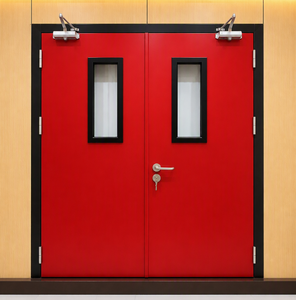
Featured Portfolio
Architectural Glass & Metal Entry Door Systems
Factory-direct entrance systems engineered for commercial high-rises, luxury villas, public institutions, and high-traffic municipal projects. Fully customizable to regional building codes.
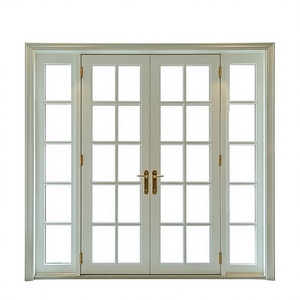
Sunnysky High Quality Patio Double Tempered Glazed Swing Glass Doors Aluminum Glass French Door For Exterior Entry Doors
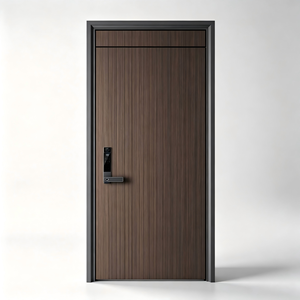
Luxury Cast Aluminum Carved Entry Door Grand Villa Entrance Thermal Break Anti Theft Fingerprint Lock Tempered Glass Custom OEM
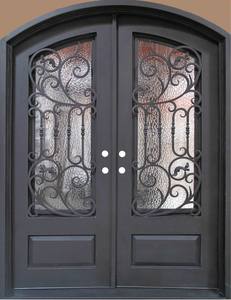
Elegant Design Steel Front Entry Doors Swing Open 5-Year Warranty ENERGY STAR Low-E Double/Triple Pane Glass for Villa/Mall Use
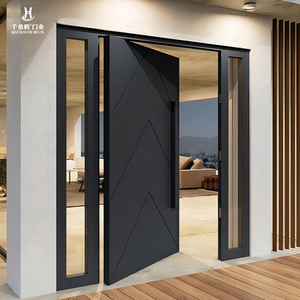
Modern Residential Cast Aluminum Glass Pivot Doors, Custom-made Unequal Double Doors at the Entrance of High-end Residences
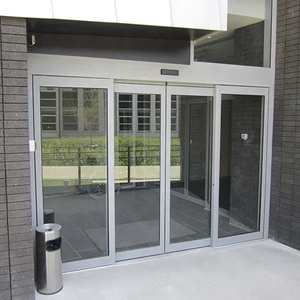
Commercial Exterior Hospital Fire Rated Thermal Break Automatic Sliding Aluminum Front Entrance Door
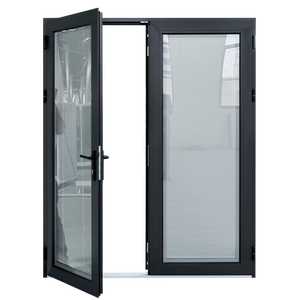
USA Certified Energy-Saving Aluminum Casement Door with Blinds Inside Grill Design Double Pane Aluminum Door
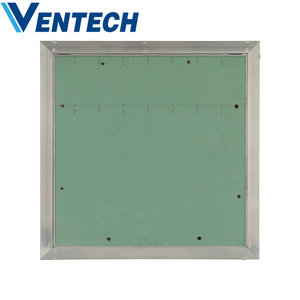
Ventech Hvac System ODM/OEM Factory Product Aluminum Access Door Access Panel
1993
Year Established
50,000 m²
In-House Factory Base
30+
Patented Technologies
500,000
Annual Unit Output
Manufacturer Authority & Global Engineering Footprint
As a cornerstone of China's premier aluminum extrusion hub in Foshan, Guangdong, Vancoor Entrance System Co., Ltd. (operating as Vancoor Front Door) has spent over three decades establishing benchmark quality in custom architectural glazing. Established in 1993, Vancoor operates a self-owned 50,000 square-meter production complex supported by an elite workforce of 230+ engineering specialists, skilled fabricators, and certified QC technicians.
Managing an entrance system procurement program requires rigorous quality control across every stage of fabrication. By unifying profile extrusion, thermal break assembly, precision CNC milling, glass toughening, multi-layer PVB/SGP laminating, and hardware integration under one continuous quality management protocol, Vancoor eliminates the quality drift common among fragmented assembly operations. Our state-of-the-art facility features a 5,000 square-meter operational showroom housing full-scale working models of heavy-duty pivot doors, multi-slide patio systems, and fire-rated emergency exit assemblies for live client inspection and structural testing.
30+ Technological Patents
Pioneering multi-chamber structural profile designs, hidden water drainage channels, and acoustic gasket sealing systems engineered for extreme climate zones.
Global Compliance Files
Fully compliant with North American (AAMA/NFRC/Florida Hurricane Impact), European (CE / EN 12150), and Australian/NZ (AS2047/AS1288) fenestration standards.
Drawing-Based CAD/BIM OEM
In-house structural engineers return full architectural shop drawings, detailed wind-load calculations, and system proposals within 24 hours of PDF/CAD submission.
Whitepaper: Engineering Mechanics of Tempered Glass Entry Systems
Modern entrance door design balances two competing demands: maximizing structural daylight transparency while providing a secure, energy-efficient barrier. Tempered glass entry doors engineered by top Chinese exporters rely on advanced glass science and metallurgy to achieve optimal security, thermal insulation, and aesthetic elegance.
1. Thermal Tempering Mechanics & Safety Performance
Architectural tempered glass is processed through controlled thermal treatment, heating float glass past its softening point (approximately 620°C to 650°C) before rapidly quenching both surfaces with high-pressure cold air blasts. This process creates intense compressive stress on the exterior surfaces (exceeding 90 MPa / 13,000 psi) while balancing tensile stress in the glass core.
When impacted beyond its breaking threshold, tempered safety glass disintegrates into small, blunt, dice-like fragments rather than sharp shards, dramatically mitigating injury risks. For high-security entrance applications, Vancoor mandates Heat Soak Testing (HST) per EN 14179 standards. HST subjects tempered glass panels to 290°C thermal cycles inside specialized ovens to eliminate Nickel Sulfide (NiS) inclusions, reducing the risk of spontaneous glass breakage to near zero.
2. Thermal Break Aluminium Extrusion Engineering
Standard aluminum is highly conductive, making single-frame doors prone to heat transfer and interior condensation. High-performance entry systems incorporate Polyamide PA66-GF25 thermal breaks—structural structural insulation strips reinforced with 25% glass fiber. These strips physically separate the interior and exterior aluminum profiles, creating an insulated thermal bridge.
| System Type | Thermal Transmittance (U-Value) | Acoustic Rating (STC / Rw) | Max Wind Load Resistance | Primary Application |
|---|---|---|---|---|
| Standard Single Glazed Entry | 5.4 - 5.8 W/m²K | 26 - 28 dB | 1.5 kPa (C2 Grade) | Interior partitions, light retail |
| Double Tempered Insulating (IGU) | 1.8 - 2.2 W/m²K | 35 - 38 dB | 3.0 kPa (C4 Grade) | Standard residential & commercial |
| Thermal Break Low-E Argon Triple Pane | 0.8 - 1.2 W/m²K | 42 - 46 dB | 4.5+ kPa (Coastal Impact) | Passive House, luxury villas, extreme cold/hot |
| SGP Laminated Hurricane Impact Glass | 1.4 - 1.6 W/m²K | 40 - 44 dB | 6.0+ kPa (Category 5) | Coastal hurricane zones, secure facilities |
3. High-Security Laminated Interlayer Technologies
For luxury entrances, cast aluminum pivot doors, and commercial frontage, combining tempered glass with structural interlayers provides exceptional forced-entry resistance. By sandwiching a toughened SentryGlas® (SGP) or Polyvinyl Butyral (PVB) interlayer between two tempered glass sheets, the panel retains its structural integrity even if punctured, blocking unauthorized intrusion and resisting high-velocity wind-borne debris.
Industry Foresight
Future Sourcing & Development Trends (2025–2030)
Key technological shifts and procurement standards redefining global entry door specification for developers, wholesalers, and general contractors over the next decade.
1. Smart Access Control Integration
The traditional mechanical lock key is rapidly giving way to motorized multi-point electronic lock systems seamlessly integrated into the aluminum profile sash. Commercial buyers are mandating 3D biometric fingerprint scanners, encrypted RFID, mobile app Bluetooth/Wi-Fi triggers, and facial recognition terminals engineered into cast aluminum entry profiles with battery backup units.
2. Ultra-Slim Sightline Architecture
Modern architectural design favors minimal visible frame profiles and maximal glass area. Next-generation entry doors feature concealed hinges, subterranean hydraulic floor springs, and slim frame sightlines under 20mm. These elements maintain structural rigidity using aircraft-grade 6063-T6 aluminum alloys.
3. EPD Certification & Low-Carbon Aluminum
Global ESG mandates require fenestration manufacturers to supply Environmental Product Declarations (EPDs). Sourcing trends demonstrate an increasing preference for suppliers utilizing recycled billet aluminum, solar-powered extrusion facilities, and non-toxic, powder-coated surface treatments certified by Qualicoat standards.
4. Heavy-Duty Mega-Pivot Hardware
Demand for grand entrance doors exceeding 3 meters in height and 1.5 meters in width has driven innovation in pivot hinges. Modern heavy-duty offset and center pivot hardware systems support panel weights over 500 kg while providing effortless finger-touch opening forces and soft-closing hydraulic dampening.
5. Integrated Motorization & Building Automation
Commercial entrance systems increasingly demand automated linear actuators, floor-recessed door drives, and safety sensors connected directly to central Building Management Systems (BMS) for automated fire evacuation, climate regulation, and access logging.
6. Integrated Low-E & Electrochromic Smart Glass
Double and triple glazed units featuring dynamic electrochromic glass allow users to switch entrance glass panels from crystal clear to completely opaque via electrical current, providing instant privacy and solar heat gain control.
Standard Quality Assurance & Sourcing Workflow
Direct factory sourcing from China requires a transparent execution protocol to ensure specifications translate accurately into the finished product. Vancoor streamlines overseas procurement through a structured 4-stage quality assurance protocol:
Stage 1: CAD Shop Drawing & BIM Modeling
Upon receiving architectural elevation files or opening schedules, our design engineering department generates comprehensive CAD shop drawings detailing profile cross-sections, glass build-ups, anchoring points, and hardware placement for client approval within 24 hours.
Stage 2: Precision CNC & Tempering Batch Control
Profile extrusions undergo computerized 5-axis CNC machining, ensuring hinge cutouts, lock mortises, and drainage ports meet sub-millimeter tolerances. Glass panels are thermal-tempered and stamped with permanent SGCC / CE compliance logos.
Stage 3: Pre-Shipment Assembly & Air/Water Testing
Every order undergoes test assembly on factory rig stands. Standard quality checks measure air infiltration (ASTM E283), water resistance (ASTM E331 under 300 Pa pressure), and structural deflection before disassembling or crating.
Stage 4: Fumigated Wooden Crating & Logistics
Finished units are wrapped in 5-layer protective polyethylene film, fitted with heavy-duty rubber corner protectors, and packed into fully enclosed, ISPM-15 compliant fumigated plywood crates equipped with shock-absorbing foam spacers.
Direct Answers
Frequently Asked Questions for Global Procurement
Clear, spec-driven answers addressing lead times, code compliance, shipping protection, and technical customization for B2B buyers.
What is the typical production lead time and shipping schedule for custom tempered glass entry doors?
Once CAD shop drawings are officially signed off and deposit payment is confirmed, standard factory production and quality testing require 4 to 5 weeks. For large-scale multi-unit commercial developments or custom extrusions requiring dedicated die creation, production spans 6 weeks. Ocean freight transit times vary by destination port: US West Coast (14–18 days), US East Coast (28–35 days), Europe (28–32 days), Australia/NZ (12–18 days), and Middle East (20–25 days).
Can Vancoor manufacture entry systems to comply with local North American, European, or Australian building codes?
Yes. Our engineering division configures thermal profiles, glass specifications, and hardware components specifically to meet your destination building code requirements. We regularly supply documentation for North American standards (AAMA/WDMA/CSA 101/I.S.2/A440, NFRC thermal ratings, Florida High-Velocity Hurricane Zone regulations), European CE certifications (EN 14351-1, EN 12150 glass tempering), and Australian Standards (AS2047 window performance and AS1288 architectural glass safety).
How do you accept structural custom sizes, shop drawings, and specialized hardware brands?
Every entry system we fabricate is manufactured to custom project dimensions. You can submit CAD files (.dwg, .dxf), PDF architectural blueprints, or basic rough opening schedules. Our engineering team can also integrate specified European hardware brands—including Hoppe, Siegenia, GU, Winkhaus, and Dormakaba—or utilize our high-grade proprietary stainless steel and cast aluminum hardware systems.
How are oversized glass panels and entry frames protected against transit damage during container sea freight?
Protection begins at the component level. Aluminum sashes are wrapped in scratch-resistant protective film, and glass edges are reinforced with high-density plastic corner guards. Complete assemblies are sealed inside fully enclosed, fumigated plywood wooden crates with internal steel strapping and shock-absorbing EPE foam spacers. Crates are engineered with forklift base pockets for safe unloading at your warehouse or job site.
Does Vancoor provide installation guidance and technical engineering support overseas?
We support overseas installation teams by supplying detailed exploded structural installation drawings, component mounting guides, and high-definition video walkthroughs for every system configuration. For commercial projects, our fluent English-speaking project engineers provide real-time remote technical consultation across global time zones via video conference, phone, or direct messaging.
What warranty coverage is provided on tempered glass, aluminum extrusion finishes, and hardware assemblies?
Vancoor provides a comprehensive multi-tier warranty program: a 10-year structural warranty on aluminum profile extrusions and thermal break integrity, a 10-year warranty against seal failure or desiccant breakdown in insulating double/triple glazed units (IGU), a 10 to 20-year warranty on PVDF powder coat surface finishes against fading or peeling, and a 5-year operational warranty on all mechanical moving hardware components and smart lock electronics.
Request a Custom Engineering Quote & Shop Drawings
Partner directly with China’s leading architectural entry door manufacturer. Submit your project drawings or rough openings to receive a comprehensive factory-direct pricing proposal and shop drawings within 24 hours.
