Architectural Fenestration & Luxury Pivot Entrance Systems in 2026
Modern luxury architecture has underwent a fundamental shift toward open-plan structural aesthetics, colossal entry spans, and seamless indoor-outdoor transitions. At the center of this transformation is the thermal break aluminum luxury pivot door. Unlike standard hinged entry systems that concentrate massive dead weight on lateral wall jambs, structural pivot doors distribute panel load across heavy-duty top and bottom floor pivot spindles. This engineering mechanism allows commercial developers, luxury villa builders, and architectural importers to specify grand entrance doors exceeding 3.5 meters in height and 2.0 meters in width without risking frame sagging, seal degradation, or hardware fatigue.
However, sourcing grand-format pivot doors internationally introduces complex engineering variables: wind load pressure thresholds, thermal bridging mitigation, multi-point lock alignment under extreme deflection, and strict compliance with market-specific building codes (such as Florida NFRC hurricane impact certifications, European CE directives, and Australian AS2047 standards). This comprehensive white paper provides B2B buyers, architectural procurement heads, and overseas distributors with an authoritative technical evaluation framework for selecting high-performance pivot door manufacturing partners.
High-Performance Luxury Pivot & Architectural Door Systems
Engineered for structural durability, acoustic isolation, energy efficiency, and extreme weather protection.
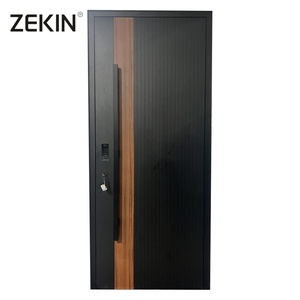
ZEKIN Luxury Entry Aluminum Metal Entrance Pivot Door
Grand custom exterior entrance door featuring reinforced T6 aluminum extrusions, concealed hydraulic floor spring, and multi-layer EPDM seals.
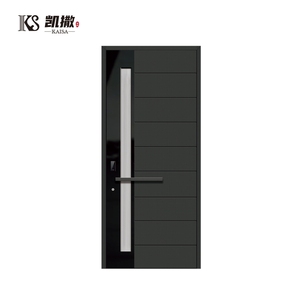
Safety Home Soundproof Front Entry Security System
Engineered for high-acoustic performance and forced-entry security with insulated core infills and multi-point perimeter deadbolts.
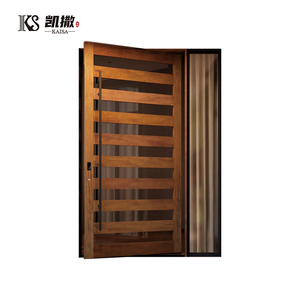
Soundproof Cast Aluminum Casement Pivot Entry Door
Precision cast aluminum exterior panel providing structural rigidity, rust immunity, and high sound attenuation for luxury residences.
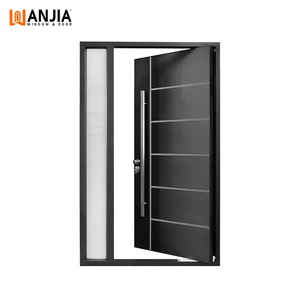
NFRC & CE Hurricane Impact Commercial Waterproof Pivot Door
Coastal-grade impact resistant aluminum pivot door certified for severe windstorm zones, featuring laminated low-E glass glazing.
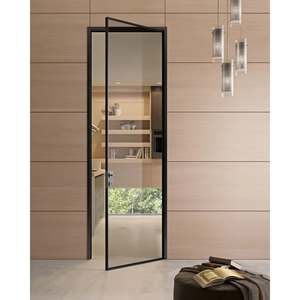
Narrow Frame Aluminum Glass Hinged French & Patio Door
Ultra-slim architectural profile design with thermal break technology, suitable for interior transitions, patios, and modern villas.
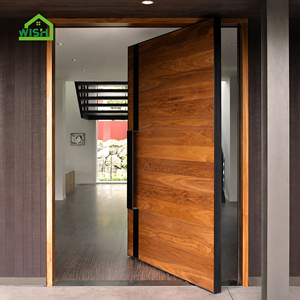
Customized Anti-Theft Soundproof Composite Pivot Entrance Door
Hybrid composite pivot door combining structural aluminum internal sub-frames with waterproof, scratch-resistant architectural facings.
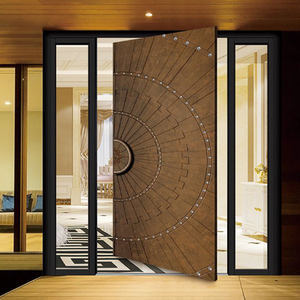
Customizable Aluminum Double Pivot Door with Biometric Smart Lock
Double-leaf oversized entry system integrated with biometric smart access control, concealed heavy-duty hinges, and automated drop seals.
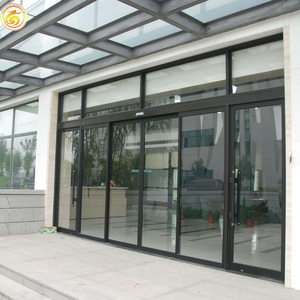
Hurricane Impact Storefront Door System with Decorative Grilles
Heavy-commercial storefront entrance doors with customized architectural grilles, engineered to withstand extreme wind loads and coastal salt air.
Vancoor Entrance System Co., Ltd.
Established in 1993 in Foshan, Guangdong Province—the world's premier aluminum extrusion manufacturing cluster—Vancoor Entrance System Co., Ltd. has spent over 30 years engineering custom thermal break aluminum windows, oversized pivot doors, and advanced curtain wall systems for international project procurement.
Operating from a state-of-the-art 50,000 m² automated production facility with a dedicated 5,000 m² R&D and showroom center, Vancoor controls the entire production chain in-house. From multi-axis CNC profile machining and thermal barrier polyamide insertion to robotized glass glazing and pre-assembly testing, every door leaves the factory certified for installation compliance.
- ✓ 30+ National Patents in Silent System Noise Reduction & Thermal Insulation
- ✓ Annual Output Capacity: 500,000 Units with 4–5 Week Predictable Lead Times
- ✓ Direct CAD/BIM Architectural Shop Drawing Turnarounds within 24 Hours
- ✓ Full Compliance Testing: NFRC, CE, AS2047, and Hurricane Impact Certification

Future Procurement & Design Trends in Luxury Pivot Entrance Doors
Key technological advancements shaping architectural fenestration specifications over the next decade.
Mega-Panel Load Capacity & Hydraulic Offset Geometry
Architectural demands are shifting toward massive single-leaf panels exceeding 800 kg to 1,000 kg. Future-ready factories are replacing traditional top-pivot pins with multi-axis floor-embedded hydraulic closers featuring adjustable closing speed, hold-open latching, and offset pivot axes (typically 4" to 7" from the jamb) to eliminate floor drag and wall tension.
Polyamide Thermal Break & Carbon Neutral Insulation
As zero-energy building (ZEB) standards take effect in North America and Europe, non-thermal aluminum frames are being phased out. Modern pivot doors utilize 24mm to 34mm PA66GF25 (25% glass fiber reinforced polyamide) thermal struts, warm-edge glass spacers, and low-E argon double/triple glazing to achieve overall U-factors as low as 1.1 W/m²K.
Concealed Smart Access & Biometric Integration
Luxury buyers increasingly require invisible smart home integration. Leading exporters are pre-machining extrusion channels to house motorized electromechanical multi-point locks, facial recognition sensors, optical keypads, and automated drop-down bottom perimeter seals that engage upon door closure.
Luxury Pivot Door Material & System Comparison
Objective engineering metrics comparing structural materials for exterior entrance applications.
| Performance Criteria | Vancoor Thermal Break Aluminum | Standard Non-Thermal Steel | Solid Hardwood Pivot Door | Fiberglass / MDF Composite |
|---|---|---|---|---|
| Structural Lifespan | 50+ Years (Corrosion Free) | 15–20 Years (Rust Vulnerable) | 10–15 Years (Warping Risk) | 20–25 Years |
| Thermal Insulation (U-Factor) | 1.1 – 1.5 W/m²K | 2.8 – 3.8 W/m²K | 1.6 – 2.0 W/m²K | 1.4 – 1.8 W/m²K |
| Max Leaf Weight Capacity | Up to 1,000 kg | Up to 400 kg | Up to 250 kg | Up to 200 kg |
| Water Penetration Pressure | 500 Pa (Triple EPDM Gaskets) | 250 Pa | 150 Pa (Gaps over time) | 300 Pa |
| Wind Load Resistance | ASTM E330 / TAS 202 (Coastal Rated) | Moderate (Deflects under load) | Low Structural Rating | Moderate Coastal Rating |
| Maintenance Requirement | Zero Maintenance (PVDF Finish) | High (Frequent Repainting) | High (Refinishing/Sealing) | Low |
Frequently Asked Questions by Global B2B Buyers
Essential guidance for architects, general contractors, and fenestration importers sourcing pivot doors overseas.
