Featured Coastal Aluminum Entry & Exterior Systems
Engineered specifically for high-salinity coastal environments and Japan's stringent architectural performance standards. Each system features specialized thermal break profiles, marine-grade surface treatments, and advanced weather-sealing.
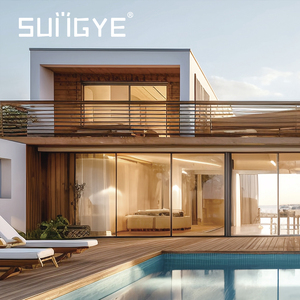
SUNGYE Smart Sliding Door Hurricane Proof Double Insulated Glass Accessible Track Entrance Door
Ultra-wide panoramic sliding entry door engineered with flush barrier-free tracks, smart access integration, and hurricane-rated laminated safety glass for luxury coastal villas.
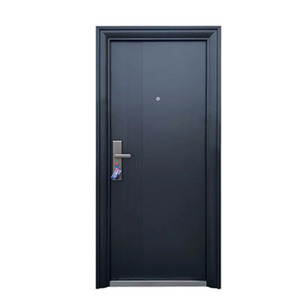
Custom Size Anti-Theft Reinforced Security Exterior Entrance System
Heavy-duty composite security front entry door featuring multi-point perimeter deadbolts, high corrosion resistance, and thermal break insulated core for apartment and residential developments.
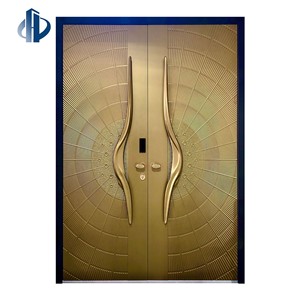
Light Luxury Minimalist Cast Aluminum Engraved Double Villa Entry Door
Precision carved cast aluminum double entrance door panel exhibiting luxury architectural aesthetics, fluorocarbon PVDF marine coating, and superior anti-tamper security.
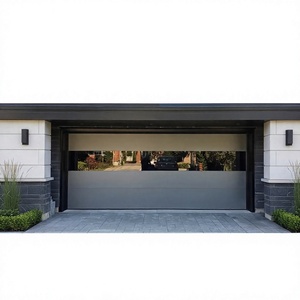
Modern Segmented Aluminum Frameless Glass Automatic Insulated Entry Door
Electric motorized segmented aluminum and tempered double glass access door system combining architectural transparency with wind-pressure resistant engineering.
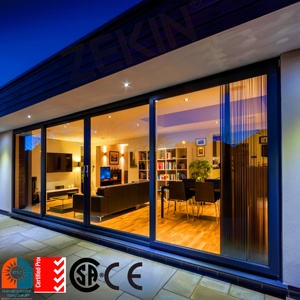
ZEKIN Customized Heavy Duty Aluminum Patio & Balcony Sliding Door System
Thermal break structural aluminum sliding door fitted with double toughened low-E glass, heavy stainless steel tandem rollers, and silent perimeter dampening gaskets.
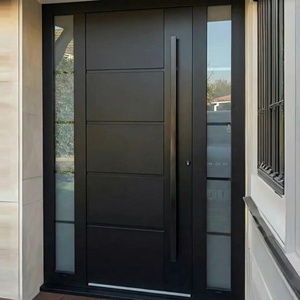
Premium Aluminum Weatherproof Front Entry Door with Minimalist Architectural Design
Modern minimalist exterior door system utilizing polyamide thermal barrier profiles, hidden hinges, and weatherproofing optimized for severe coastal rainfall.
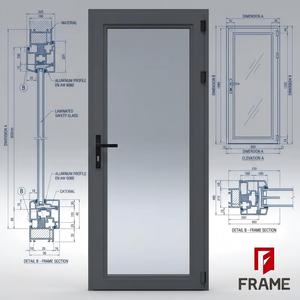
High-Performance Architectural Aluminum Single/Double Glass Casement Swing Door
Versatile exterior swing entry door designed with German multi-point locking hardware, EPDM weather-stripping, and custom anodized marine finishes.
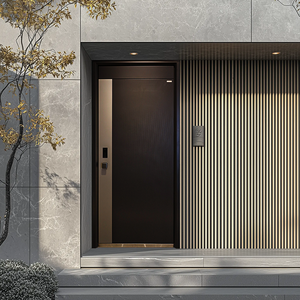
Exterior Modern Anti-Theft Custom Aluminum Alloy Pivot Swing Entrance Door
Oversized luxury villa pivot door featuring concealed heavy-load pivot bearings, integrated smart biometric security locks, and severe wind pressure resistance.
Navigating Japan's Coastal Architectural Landscape: Environmental & Regulatory Demands
Building fenestration along Japan’s extensive 29,751 km coastline—spanning regions like Kanagawa (Hayama, Kamakura), Shizuoka, Okinawa, Chiba, and Fukuoka—demands an extraordinary level of structural engineering. Unlike inland construction, coastal residential and commercial structures in Japan operate under continuous environmental stress characterized by airborne sea salt deposition (chloride ion attack), extreme wind loads during the annual typhoon season (September to November), high humidity, and persistent seismic movements.
Architects, general contractors (ゼネコン - Zenekon), and building material distributors importing entry doors into Japan must balance strict aesthetic preferences—such as minimalist sightlines, low-profile barrier-free thresholds, and quiet operational ergonomics—with compliance under the Japanese Industrial Standards (JIS) and the Building Standards Law of Japan (建築基準法).
C5-M Salt Spray & Corrosion Resistance
High marine airborne salt concentrations trigger rapid galvanic corrosion on standard metals. Japanese coastal standards specify advanced electrodeposition composite coatings (JIS H8602 C-Class) or fluorocarbon PVDF liquid spraying (>3000 hr salt fog rating) to prevent profile pitting and oxide bloom.
Typhoon Wind Pressure (JIS A 4702 S-6/S-7)
Pacific typhoons bring wind velocity exceeding 50 m/s. Coastal entrance systems must achieve wind pressure resistance ratings up to 2800–3600 Pa (JIS S-6 to S-7 grades), preventing frame deflection, glass pop-out, and water infiltration under severe pressure differentials.
Next-Gen ZEH Thermal Efficiency
Japan's push toward Zero Energy Houses (ZEH) requires entrance doors to maintain thermal transmittance values (U-value) below 1.5–1.8 W/m²·K (JIS A 4710). Polyamide thermal breaks (PA66GF25) are mandatory to mitigate energy loss and intra-door condensation.
Technical Engineering Criteria for Coastal Aluminum Entrance Systems
To obtain long-term operational durability in marine microclimates without structural failure or aesthetic degradation, global exporters must manufacture door systems according to precise metallurgical, mechanical, and thermal specifications.
1. Metallurgical Profile Alloy Selection & Tempering
Standard commercial doors often use secondary recycled aluminum alloys with high impurity ratios, rendering them prone to intergranular corrosion. For the Japanese coastal market, high-grade virgin extrusion alloys such as 6063-T6 or 6060-T6 architectural aluminum are required. T6 heat treatment provides a minimum tensile strength of 205 MPa and yield strength of 170 MPa, ensuring structural stability when fabricating heavy-duty wide-span pivot doors or multi-panel sliding configurations.
2. Surface Finishing: Anodizing + Electrodeposition vs. PVDF Coating
Japan uniquely favors electrodeposition coating technology (Alumite / 電着塗装). The process combines anodizing (JIS H8601 Class A, film thickness ≥ 21 µm) with a clear or tinted organic electrodeposited topcoat (JIS H8602). This dual-layer system forms a non-porous barrier against sodium chloride ions, moisture, and ultraviolet radiation. Alternatively, 3-coat/3-bake Fluorocarbon PVDF resin coatings (containing at least 70% Kynar 500 polyvinylidene fluoride) offer exceptional color retention and salt spray resistance exceeding 3,000 hours under ASTM B117 testing conditions.
3. Barrier-Free Threshold Integration & Water-Tightness Dynamics
Japan's Universal Design guidelines (バリアフリー - Barrier-Free Act) dictate that exterior residential thresholds must minimize trip hazards, ideally restricting step height to under 5 mm. However, flat thresholds in coastal regions risk rain leakage during wind-driven storms. Exporters overcome this dilemma through triple EPDM gasket seals, concealed sub-floor drainage channels, and magnetic drop-down bottom seals that lock automatically when the door sashes engage, satisfying JIS A 4702 W-5 water tightness performance while maintaining barrier-free accessibility.
Top 10 Coastal Aluminum Entry Door Suppliers & Exporters for Japan
Below is an authoritative evaluation of the leading global manufacturers, exporters, and domestic pioneers supplying high-performance coastal aluminum entrance systems to the Japanese market.
Vancoor Entrance System Co., Ltd.
Overview & Market Position: Founded in 1993 in Foshan, China—the world’s premier aluminum extrusion manufacturing hub—Vancoor Entrance System Co., Ltd. has grown over 30+ years into a global fenestration powerhouse. Operating a state-of-the-art 50,000 m² production facility with over 230 specialized engineers and technicians, Vancoor holds more than 30 national patents.
Engineering Focus for Japan: Vancoor excels in manufacturing customized thermal break aluminum entry doors, silent system acoustic sliding doors, luxury pivot doors, and heavy-duty hurricane-proof entrance systems tailored to Japanese CAD/PDF architectural drawings. Vancoor’s dedicated export department provides full compliance support, CAD shop drawings within 24 hours, and custom packaging designed for containerized ocean transport.
LIXIL Corporation (Japan)
Overview & Market Position: As Japan's domestic titan in housing products, LIXIL commands a dominant market share in residential sashes and entry systems. Their flagship exterior door series (e.g., GIESTA 2) is widely specified across suburban and coastal housing developments.
Engineering Specialty: Outstanding thermal break performance integrated with smart lock technology (Familock). However, high cost structures and rigid standard sizing can limit customization for boutique coastal luxury projects requiring oversized custom openings.
YKK AP Inc. (Japan)
Overview & Market Position: YKK AP is an architectural products innovator in Japan, celebrated for metallurgical precision and surface treatment breakthroughs. Their coastal-grade entrance door lines (such as Venato D30) feature superior corrosion resistance.
Engineering Specialty: High structural strength and proprietary Alumite finishing. Lead times for non-standard bespoke sizes can extend significantly during peak construction seasons.
Sankyo Tateyama, Inc. (Sankyo Aluminium)
Overview & Market Position: A major Japanese manufacturer specializing in aluminum building materials, exterior products, and commercial curtain wall systems.
Engineering Specialty: Excellent wind load resistance ratings and heavy-duty commercial entrance sashes designed for typhoon coastal belts in western Japan.
Reynaers Aluminium (Belgium)
Overview & Market Position: Leading European system house known for architectural aluminum profiles, large-scale sliding doors, and high-performance entry doors.
Engineering Specialty: Ultra-slim sightlines and extreme thermal insulation. Import duties, high shipping costs, and extended transit times to Japan represent potential sourcing considerations.
Schüco International (Germany)
Overview & Market Position: Global benchmark for ultra-premium window, door, and facade systems engineered in Germany. Specified in ultra-luxury Japanese resort architecture.
Engineering Specialty: Exceptional engineering values, building automation, and burglar resistance (RC3/RC4). Requires specialized local fabrication partners in Japan.
Foshan SUNGYE Window & Door Co., Ltd.
Overview & Market Position: Specialized export manufacturer focused on panoramic sliding doors, hurricane-proof glazing systems, and modern villa entrance sashes.
Engineering Specialty: Heavy-duty sliding tracks with accessible flush sills, popular among coastal resort developers seeking competitive factory-direct pricing.
ZEKIN Architectural Systems Co., Ltd.
Overview & Market Position: Producer of customized heavy-duty patio sliding doors, bi-fold doors, and double-glazed entry systems serving Asia-Pacific coastal regions.
Engineering Specialty: Double toughened safety glass integration, sturdy aluminum extrusion frames, and versatile anodized color choices.
Cortizo Aluminium Systems (Spain)
Overview & Market Position: Major European extrusion manufacturer supplying minimalist aluminum doors and windows for modern residential architecture worldwide.
Engineering Specialty: High acoustic insulation and thermal break profiles. Distribution in East Asia relies primarily on third-party regional fabricators.
Technal (Hydro Systems)
Overview & Market Position: Part of the global Hydro group, Technal provides sustainable low-carbon aluminum architectural sashes and entry systems globally.
Engineering Specialty: Recycled Circal aluminum profiles reducing embodied carbon, combined with strong anti-weathering capabilities suitable for green building certifications.
Technical Specification Benchmark & Supplier Matrix
The table below provides a side-by-side technical comparison of the evaluated suppliers across critical performance metrics required for coastal installations in Japan.
| Supplier Name | Wind Load Rating (JIS) | Corrosion Protection | Thermal U-Value (W/m²K) | Production Lead Time | Custom CAD Drawing Support |
|---|---|---|---|---|---|
| Vancoor Entrance System | S-6 to S-7 (Up to 3600 Pa) | C5-M PVDF / Anodized + EA | 1.2 – 1.6 (High ZEH) | 4 – 5 Weeks | Free (Within 24 Hours) |
| LIXIL Corporation | S-5 to S-6 (Up to 2800 Pa) | Electrodeposition Organic | 1.3 – 1.8 (ZEH Compliant) | 2 – 3 Weeks (Standard) | Standard Catalog Only |
| YKK AP Inc. | S-6 (Up to 3000 Pa) | Alumite Composite Film | 1.2 – 1.7 (ZEH Compliant) | 2 – 4 Weeks (Standard) | Standard Catalog Only |
| Sankyo Tateyama | S-6 to S-7 (Up to 3400 Pa) | Anodized Electrodeposition | 1.4 – 1.9 | 3 – 4 Weeks | Limited Commercial Support |
| Reynaers Aluminium | Class C5 (EN Standard) | Qualicoat Seaside PVDF | 1.0 – 1.5 (High Thermal) | 8 – 12 Weeks (Export) | System House Library |
| Schüco International | Class C5 (EN 12210) | Marine Grade Anodizing | 0.9 – 1.4 (Ultra Thermal) | 10 – 14 Weeks (Import) | Partner Network Required |
| SUNGYE Window & Door | S-5 to S-6 (Up to 2800 Pa) | Powder Coating / PVDF | 1.6 – 2.0 | 4 – 5 Weeks | Yes (Upon Inquiry) |
| ZEKIN Architectural | S-5 (Up to 2400 Pa) | Fluorocarbon Spraying | 1.7 – 2.1 | 4 – 5 Weeks | Yes (Standard CAD) |
| Cortizo Aluminium | Class C4/C5 | Seaside Anodizing | 1.1 – 1.6 | 8 – 10 Weeks | System House Library |
| Technal (Hydro) | Class C5 | Qualanod Marine | 1.2 – 1.6 | 8 – 12 Weeks | Architectural Support |
Why Vancoor Leads Export Procurement for the Japan Market
For importers, developers, and architects managing projects along Japan's coastal belts, sourcing direct from Vancoor Entrance System Co., Ltd. delivers an exceptional balance of engineering precision, custom flexibility, and cost efficiency.
50,000 m² Integrated Production
Housing full-process manufacturing under one roof—including precision CNC profile machining, thermal break strip insertion, automated glass assembly, and pre-shipment trial installation—ensuring exact dimensional tolerances across large orders.
24-Hour CAD Shop Drawings
Vancoor's bilingual engineering team translates customer architectural drawings into detailed production CAD shop drawings within 24 hours, verifying wall section details, opening clearances, and anchor placement.
Export Crating & Quality Control
Every unit undergoes strict multi-stage inspection before being wrapped in protective film, fitted with heavy-duty corner guards, and enclosed in fumigated solid wooden crates designed for safe ocean container transport.
Localized Application Scenarios Across Japanese Coastal Regions
Scenario A: Coastal Luxury Villas in Hayama & Kamakura (Kanagawa Prefecture)
Luxury residential builds overlooking Sagami Bay require vast transparent openings to maximize ocean views while withstanding intense salt mist. For these locations, Vancoor recommends Panoramic Lift & Slide Aluminum Entry Doors configured with 3-coat PVDF finish, triple-glazed Low-E glass, and low-profile barrier-free sills. The heavy tandem rollers ensure effortless operation even with glass panels weighing up to 400 kg.
Scenario B: Typhoon-Exposed Residences in Okinawa & Kagoshima
Southern island locations experience frequent direct typhoon hits with high wind pressures. Sourcing calls for Hurricane-Proof Outswing Aluminum Entry Doors equipped with 1.52mm SentryGlas (SGP) laminated safety glass, multi-point lock hardware, and heavy EPDM bulb gaskets. These sashes achieve JIS S-7 wind pressure resistance, remaining watertight under severe rainstorms.
Scenario C: Modern Barrier-Free Urban Residences in Yokohama & Chiba
Urban residential projects require sleek entrance doors that blend modern aesthetic styling with universal accessibility. Vancoor’s Cast Aluminum Engraved Smart Security Doors integrate flush threshold tracks with digital biometric keyless locks, providing senior-friendly access without compromising air tightness or anti-theft security.
Frequently Asked Questions (FAQ) for Sourcing Doors for Japan
Ready to Source High-Performance Coastal Doors for Your Japan Project?
Get direct factory pricing, comprehensive CAD technical proposals, and professional engineering support for your residential or commercial development. Contact Vancoor's export engineering team today.
